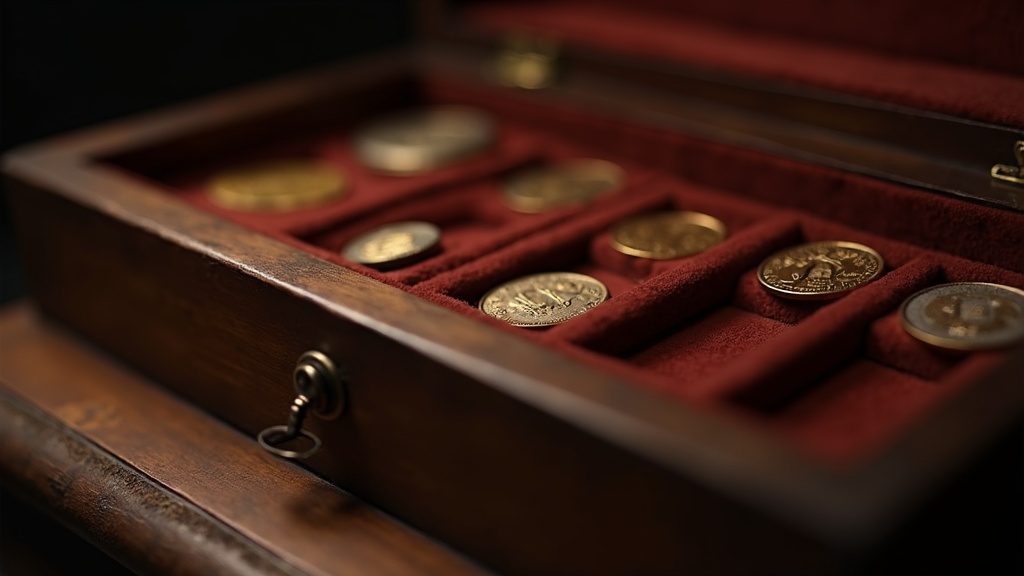
A handful of coin collections became famous not because of a single expensive coin but because of what the whole set represented: completeness few others achieved, documented provenance stretching back generations, or coins tied to dramatic historical events. Collections like those assembled by Louis Eliasberg, King Farouk of Egypt, and the Norweb family are still discussed today because they combined rarity, condition, and a compelling story. Understanding why these collections mattered can help any collector think more clearly about what actually drives significance in numismatics.
Completeness: The Eliasberg Collection
Louis Eliasberg is widely remembered in numismatic circles as the only collector known to have put together a complete set of United States regular-issue coins by date and mint mark, spanning from the earliest federal issues through coins of his own era. What made this collection remarkable wasn’t a single showpiece coin — it was the sheer discipline of chasing every date and mint combination, including coins that are notoriously difficult to find in any condition. Building something similar today would mean understanding what makes a coin a “key date” within a series, since those are almost always the pieces that make or break a complete set. Eliasberg’s approach illustrates a theme found throughout the hobby’s category on US coins and history: a set’s fame often comes from ambition and consistency over decades, not from any one purchase.
Royal Provenance: The Farouk Collection
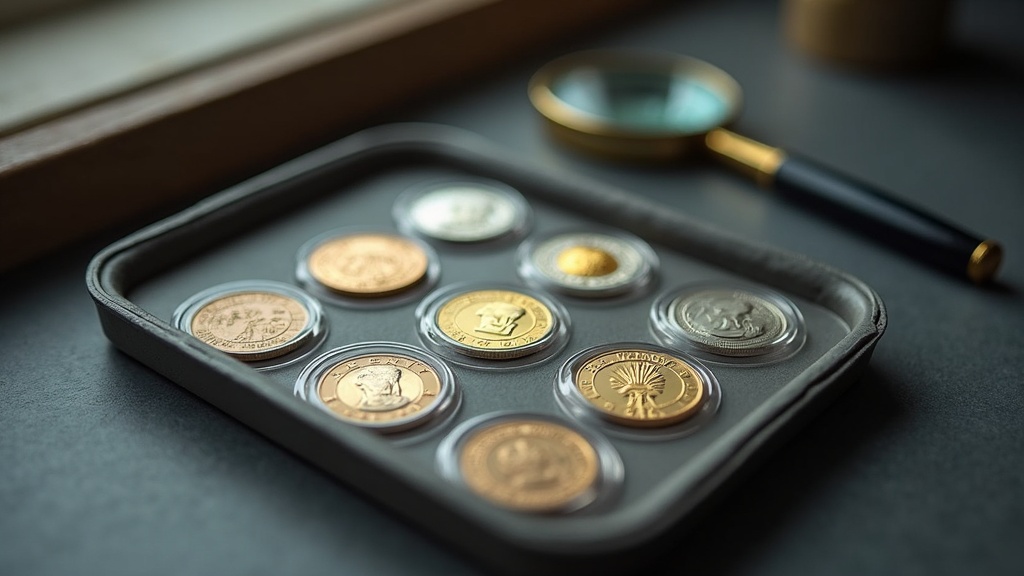
King Farouk of Egypt assembled an enormous and famously eclectic collection that included coins, medals, and other objects gathered with the resources of a head of state. What made this collection notable was less about numismatic strategy and more about scale and access — a monarch could acquire pieces that private collectors of the era simply could not reach. When the collection was later dispersed, it introduced many rare pieces into wider circulation among collectors and institutions, and some of those coins are still tracked today by the auction houses and grading services that document ownership history. This kind of documented ownership trail, often called provenance, is part of why certain coins carry recognition beyond their metal content or grade — a topic closely related to how numismatic value differs from bullion value.
Family Legacy: The Norweb Collection
The Norweb collection, built across multiple generations of a single family, is often cited as an example of how a collecting philosophy can be passed down and refined over time rather than assembled in a single buying spree. Family collections like this tend to develop a personality — an emphasis on a particular series, mint, or historical period — because the collectors involved had decades to specialize and study rather than a fixed budget and deadline. This kind of long-term, patient collecting is a useful contrast to short-term buying, and it’s part of why understanding the difference between collecting and investing motivations matters before someone decides how they want to build a collection of their own.
Institutional Collections: Museums and the Mint
Not every famous collection was assembled by a private individual. Institutions such as national museums hold significant numismatic collections used for research, education, and public display rather than for sale. These collections are valuable references for collectors because they preserve well-documented examples of coins in original condition, along with historical records about how and where they were minted. Comparing a coin against institutional references, or against population data from a grading service, is one of the ways collectors try to understand rarity in context rather than relying on assumptions.
What These Collections Have in Common
Looking across famous collections, a few recurring factors explain why certain groups of coins earned lasting recognition:
- Completeness or thematic focus: A set built around finishing every date in a series, or focusing tightly on one historical period, tends to be more memorable than a random assortment.
- Condition: Collections that preserved coins in exceptional, original condition — rather than cleaned or heavily circulated examples — hold up better to scrutiny decades later.
- Documented provenance: Clear ownership history, ideally supported by old auction catalogs, family records, or museum documentation, adds a layer of trust that a coin’s story is genuine.
- Rarity within context: A coin doesn’t need to be ancient to be rare; a common design can still be rare in a specific date, mint mark, or grade.
- Historical connection: Coins tied to a notable event, era, or figure often carry interest beyond their metal or mintage numbers.
Building Your Own Focus, at Any Scale
Most collectors will never assemble anything on the scale of Eliasberg’s or Farouk’s holdings, and that’s not really the point of studying them. The lesson worth taking is that a collection becomes meaningful when it has a clear organizing idea behind it — a series like Morgan silver dollars, a specific mint, an era of design, or a theme like early American coinage. Reading about the history behind a widely collected series can help a beginner see how a single design type can support years of focused collecting without needing unlimited funds.
If a collection you build, or one you inherit, eventually grows large enough that you’re thinking about its long-term value, documentation becomes important. Photographs, purchase records, and any grading paperwork help establish what you have and where it came from, which matters both for insurance and for eventual sale. It’s also worth learning generally about coin insurance and appraisals before assuming a homeowner’s policy automatically covers a collection, since coverage details vary.
Selling or Studying a Historic Collection
Occasionally, an old family collection turns out to include coins with real historical or numismatic significance, and people are sometimes unsure what to do next. Before selling anything from a collection with unclear origins, it’s reasonable to get an independent look from more than one source rather than accepting the first offer, especially since legitimate dealers generally don’t rely on pressure tactics or urgency to make a sale. Learning how coin auctions work can also help set realistic expectations if you’re considering that route, and taking time to evaluate a dealer’s reputation before committing to a sale is a sensible step regardless of how the collection was assembled.
Frequently asked questions about notable coin collections
What is the most famous coin collection in history?
There isn’t one single “most famous” collection — several are well known for different reasons, including the Eliasberg collection for completeness, the Farouk collection for scale and royal access, and various museum collections for their historical and research value.
What makes a coin collection valuable to collectors?
Factors like completeness of a series, original uncleaned condition, documented ownership history, and genuine rarity within a specific date or mint combination all contribute, alongside broader market demand that changes over time.
Can an ordinary person build a museum-quality collection?
Most individual collectors won’t match institutional or royal-scale collections, but a focused, patiently built set around one series or era can still be historically interesting and personally significant without requiring unlimited resources.
How do I find out if an inherited collection is significant?
Start by documenting what you have with clear photographs and any existing paperwork, then seek an independent appraisal from more than one qualified source rather than relying on a single opinion, particularly before any sale.
Are famous historical coin collections still intact today?
Some were kept together and donated to institutions, while others were dispersed through sales or auctions over time; individual coins from famous collections sometimes resurface later with documented provenance noting their earlier ownership.
Related reading
How Coin Collecting Became Popular in America.
Gold Coins Today publishes general information about coin collecting and precious metals, not financial, investment, tax or legal advice. We are writers and editors, not certified numismatists, appraisers, financial advisors or dealers. Coin and bullion values change constantly and depend on condition, authenticity and the current market — get a current appraisal or spot price from a qualified, reputable source before buying or selling, and consult a licensed financial advisor before treating precious metals as part of an investment strategy.