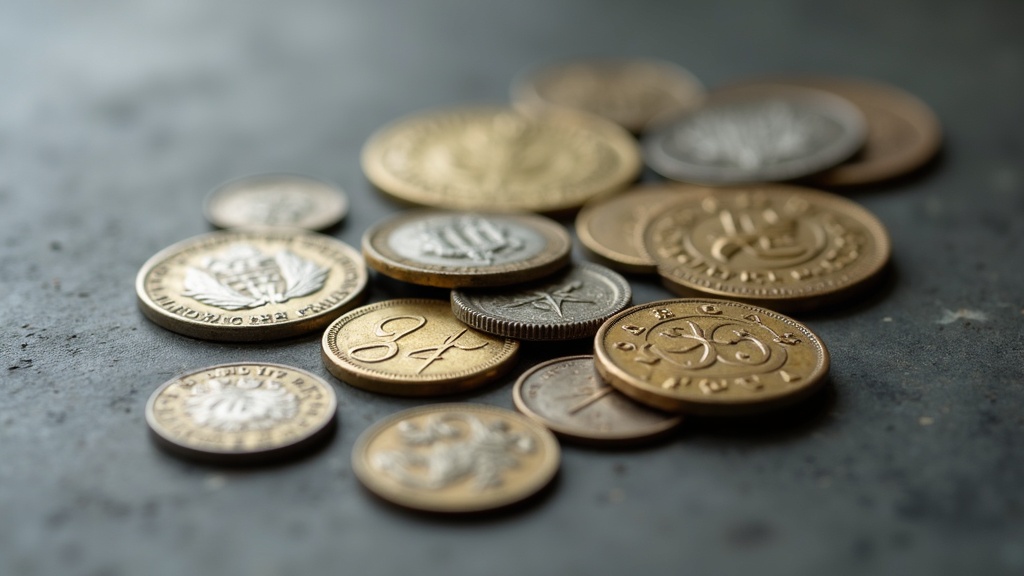
Exonumia is the broad collecting category covering coin-like objects that were never official government currency — things like tokens, medals, badges, wooden nickels, and similar issues. These items are collected for their history, artistry, and craftsmanship rather than as legal tender, and their value depends on rarity, condition, and the story behind them rather than any metal content alone. Many collectors treat exonumia as a natural extension of coin collecting once they’ve explored standard coin series.
The term itself comes from combining “exo” (outside) with “numismatics,” reflecting that these pieces sit just outside the world of official coinage while sharing many of the same collecting principles: condition matters, mintage numbers matter, and provenance matters. If you’re newer to the hobby generally, the Coin Basics & Identification hub is a good starting point before diving into this more specialized corner.
What counts as exonumia
Exonumia is a wide umbrella. Some of the most commonly collected categories include:
- Tokens — privately issued pieces used as substitutes for coinage, often for transit fares, arcade games, car washes, or company store credit at mines and mills.
- Medals — struck or cast pieces commemorating events, people, organizations, or achievements, typically not intended for spending at all.
- Encased postage and store cards — historical items, especially from periods of coin shortages, where paper stamps or advertising pieces functioned like small change.
- Military and fraternal medals — issued by service organizations, lodges, and veterans’ groups.
- Elongated coins and wooden nickels — souvenir items, often produced at fairs, parks, or commemorative events.
- Political and campaign items — buttons, badges, and medalets tied to elections and civic events.
Because none of these are official currency, there’s no single mint or government body standardizing their production, which means designs, materials, and quality vary enormously from piece to piece.
Why people collect tokens and medals
Many collectors are drawn to exonumia because it captures local and social history that official coinage rarely touches. A transit token might reflect a city’s streetcar era; a company store token might document a mining town’s economy; a commemorative medal might mark a world’s fair or anniversary that shaped a community. In that sense, exonumia often tells the kind of granular story explored more broadly on pages like how coins reflect the history of their times.
Some collectors specialize narrowly — only transit tokens from a particular state, or only medals tied to a specific historical event — while others build broader collections around a material, era, or theme. Because exonumia issues were often produced in smaller, less-tracked quantities than government coinage, rarity can be harder to pin down, and collectors frequently rely on specialized reference catalogs and club knowledge rather than standardized population reports.
Materials and production methods
Tokens and medals have been made from a wide range of materials: bronze, brass, aluminum, copper-nickel alloys, and occasionally silver or gold for higher-prestige commemorative issues. Some pieces are struck using coin-press methods similar to official coinage, while others — particularly larger commemorative medals — are cast, which can leave a different surface texture than a struck piece.
Unlike bullion coins, most tokens and medals are not valued primarily for metal content. A brass transit token isn’t collected because of its metal weight; it’s collected because of its design, issuer, and scarcity. That’s a meaningful distinction from the logic used to think about bullion, which is covered in more depth in Precious Metals & Bullion.
How condition and rarity are assessed
Exonumia grading tends to borrow loosely from coin grading language — terms describing wear, luster, and surface preservation — but standards aren’t always as formalized or consistent across every category. Some medals and tokens are submitted to third-party grading services for encapsulation, similar to coins, while a great deal of exonumia is still bought, sold, and displayed raw, in collector-grade holders rather than sealed slabs.
Readers wanting a refresher on what professional grading actually involves may find what does coin grading mean and MS, AU, XF coin grade abbreviations useful background, since the same vocabulary often gets applied to token and medal descriptions.
Documentation and provenance
Because exonumia issuers are so varied — a single county fair, a defunct railroad, a long-closed factory — documented provenance can matter a great deal to value and authenticity. Original packaging, period catalogs, club publications, or estate paperwork can all help establish a piece’s background. This is similar in spirit to the documentation questions raised for graded coins generally, discussed in what documentation should come with a graded coin.
Buying, selling and avoiding costly mistakes
Exonumia is bought and sold through many of the same channels as coins: dealer inventories, coin shows, online marketplaces, and specialty auctions. Because there’s no government mint validating these issues, buyers should be especially attentive to authenticity, since reproductions and later restrikes exist for some popular medal series. The general cautions in red flags that suggest a counterfeit coin listing apply here as much as they do to coins.
If you’re new to buying in this space, it’s worth reviewing broader guidance in Buying & Selling before making a purchase, and asking the kinds of questions outlined in questions to ask before buying from a coin dealer. A reputable seller of tokens and medals should be willing to explain a piece’s origin, condition, and rarity without pressure. If you ever feel rushed into a decision — especially around larger or higher-priced medal purchases — it’s reasonable to step back and seek a second opinion or independent appraisal before committing.
Storing and preserving tokens and medals
Like coins, tokens and medals can be damaged by improper handling, humidity, or poor storage materials. Holding pieces by their edges, avoiding cleaning, and using inert holders are all sound practices carried over directly from coin care. The principles in how to handle coins properly to avoid damage and Care & Storage apply just as well to exonumia as to coinage, and cleaning a historic medal can permanently reduce its collector appeal in the same way cleaning a coin does.
Frequently asked questions about exonumia
What is the difference between exonumia and coins?
Coins are official currency issued by a government mint with legal tender status, while exonumia includes tokens, medals, and similar items issued privately or by organizations. Exonumia was never intended to function as national currency, even though some tokens once circulated locally as money substitutes.
Are old tokens worth collecting?
Many collectors find old tokens worth collecting for historical and design interest, though value varies widely by issuer, rarity, and condition. Rather than assuming a number, it’s best to research the specific token type and, for anything you’re considering buying or selling, seek a current appraisal from a knowledgeable, reputable source.
How do I know if a medal is antique or reproduction?
Clues include the metal composition, edge and surface details, weight, and any maker’s marks compared against known references for that issue. Because reproductions exist for popular medal designs, comparing a piece against reputable catalogs or asking an experienced collector or dealer for a second opinion is a sensible step before buying.
Can exonumia be graded like coins?
Some tokens and medals can be submitted to third-party grading and encapsulation services, though standards and demand for slabbing vary more across exonumia than they do for mainstream coin series. A great deal of exonumia is still collected, stored, and traded ungraded in traditional holders.
Where can I learn more about specific token or medal types?
Specialty reference books, numismatic club publications, and organizations like the American Numismatic Association are common starting points, alongside general collecting resources such as the role of the American Numismatic Association and Collecting Culture on this site.
Gold Coins Today publishes general information about coin collecting and precious metals, not financial, investment, tax or legal advice. We are writers and editors, not certified numismatists, appraisers, financial advisors or dealers. Coin and bullion values change constantly and depend on condition, authenticity and the current market — get a current appraisal or spot price from a qualified, reputable source before buying or selling, and consult a licensed financial advisor before treating precious metals as part of an investment strategy.