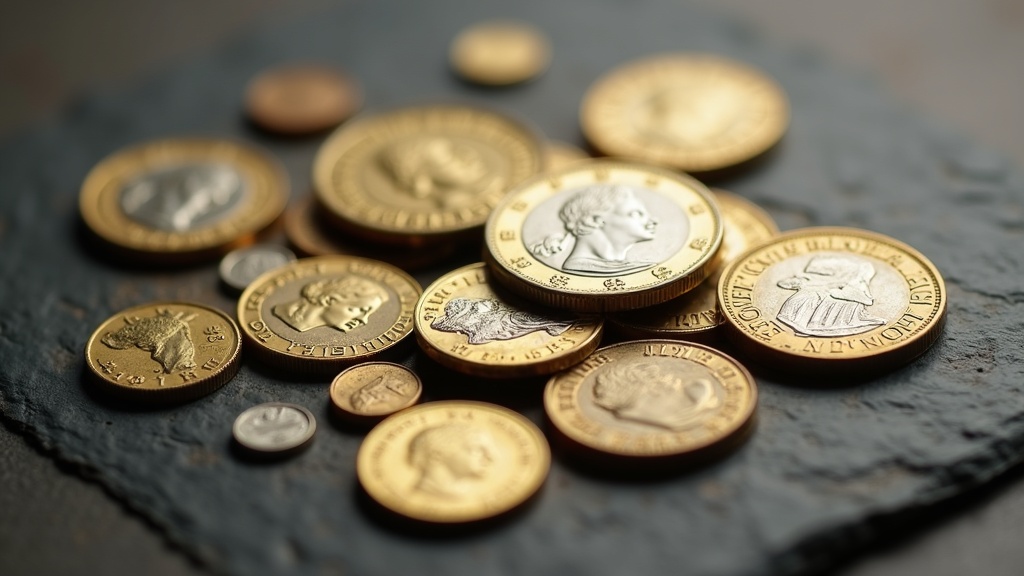
Collecting coins from the British Empire era means gathering coinage struck under British sovereignty across its many territories, roughly from the 18th century through the mid-20th century, including gold sovereigns, colonial silver issues, and coins made for India, Australia, Canada, Africa and the Caribbean. It’s a broad and genuinely fascinating field because a single “empire” produced dozens of distinct monetary systems. Getting started mostly means learning to recognize the major series, understanding what drives condition and rarity, and knowing where to get an honest read on any piece before spending real money.
What “British Empire era” actually covers
At its height, the British Empire spanned territories on every inhabited continent, and each region often had its own coinage tailored to local trade needs rather than a single uniform currency. Collectors typically group this material into a few broad categories: coins struck in Britain itself for domestic circulation, coins struck in Britain but intended for colonial or overseas use, and coins struck by local mints under royal authority. Denominations, metals and designs varied enormously depending on where and when a coin was made.
Because of this variety, many people who enjoy this era end up specializing rather than trying to collect everything. Some focus on a single monarch’s reign, others on one region such as British India or colonial Australia, and others on a single denomination followed across many territories. If you’re new to the hobby generally, our Coin Basics & Identification hub is a useful starting point before narrowing in on this specific era.
Gold sovereigns and the empire’s trade coinage
The British gold sovereign is probably the single most recognizable coin associated with this period. Struck not only in London but at branch mints in Australia, Canada, India and South Africa, it circulated widely across the empire and functioned as a kind of common gold currency for international trade. Because sovereigns were minted at multiple locations, small mint marks can distinguish where a particular coin was struck, which matters to collectors interested in regional variety. Our detailed guide to British sovereign gold coins walks through the design history and specifications in more depth.
Silver trade coinage is another major thread. Britain and other colonial powers struck large silver coins specifically to compete in Asian and Pacific trade, much as Spain had done earlier with pieces of eight. If you want context on how trade coins functioned more broadly, our piece on the trade dollar as an international trade coin explains the mechanics that also apply to comparable British issues, and comparing them to Spanish colonial pieces of eight shows how different empires solved the same problem.
Regional coinage within the empire
Rather than one currency, the empire operated many parallel systems. A short, non-exhaustive look at a few regions:
- British India issued its own rupee-based coinage with portraits of the reigning monarch, minted in large volumes and often more affordable to collect than British domestic issues.
- Australia and Canada struck their own decimal and pre-decimal coinage, including branch-mint sovereigns, alongside coins closely modeled on British designs.
- South Africa is notable both for its colonial-era coinage and later for the Krugerrand, which arrived after the colonial period but drew on the same gold-producing region; our article on the Krugerrand’s history and design covers that later chapter.
- Caribbean and African colonies often used cut or countermarked coins, tokens, or specially minted small denominations suited to local commerce.
Each of these regional series has its own reference points for dates, mintmarks and design varieties, so it’s worth researching the specific series you’re drawn to rather than assuming rules from one region apply everywhere.
What actually affects value
As with any historic coinage, several factors determine what a given British Empire era coin is worth to a collector or dealer, and none of them can be reduced to a single reliable number without a current, in-hand assessment. The main factors are:
- Condition — wear, luster, strike quality and any damage all affect grade, and grade has an outsized effect on desirability.
- Rarity — some dates, mints or design varieties were struck in much smaller numbers than others.
- Metal content and purity — gold sovereigns and silver trade coins have known fineness standards, which matters for bullion value separate from any collector premium.
- Demand — collector interest in a specific monarch, mint or region shifts over time and by geography.
Because prices for precious metals and collectible coins move constantly, we won’t quote specific figures here — a coin’s actual value at any given moment should come from a current appraisal or a live spot price from a reputable source, not from an old article or a seller’s quick verbal estimate.
Condition, cleaning and authenticity
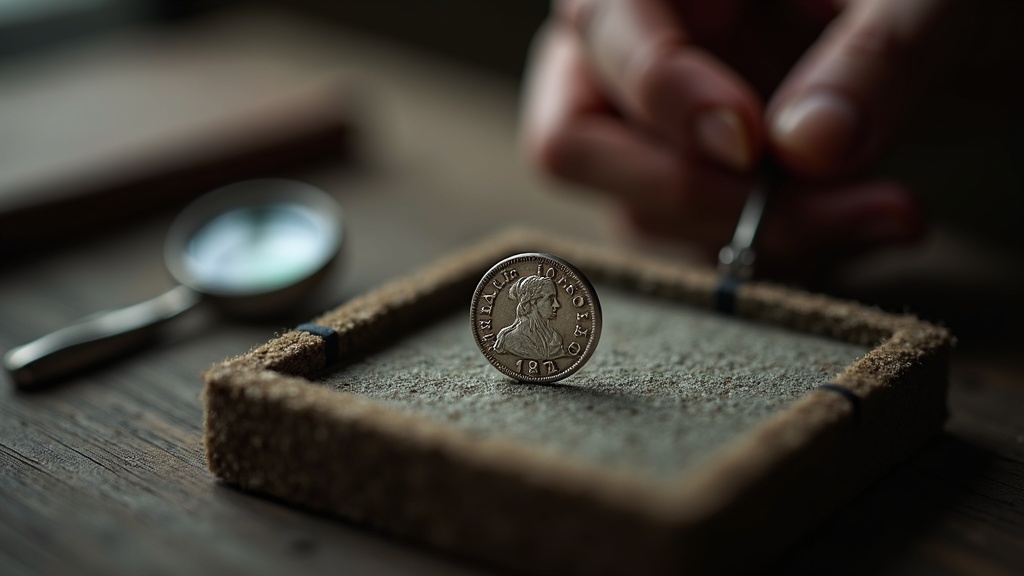
Older coins that have circulated widely often show wear, and many have unfortunately been cleaned at some point by well-meaning owners trying to make them look brighter. Cleaning generally reduces both the visual appeal and the value of a coin to serious collectors, because it disturbs the original surface. If you’re evaluating a piece and want to understand the telltale signs, our guide on how to tell if a coin has been cleaned covers what to look for before assuming a shiny surface is a good sign.
Counterfeits and later restrikes also exist in this space, particularly for popular gold sovereigns, so learning basic authentication and, when in doubt, seeking a second opinion from an independent source is a reasonable step before any significant purchase. This is also a category where predatory sales tactics show up — urgent “buy before the price rises” pressure, or a pitch tied to broader economic fear. Legitimate dealers generally don’t need high-pressure tactics to sell historically interesting coins, and it’s entirely reasonable to ask for time, get a second opinion, or seek an independent appraisal before committing to a larger purchase.
Getting started without overspending
Many British Empire era coins, especially worn colonial silver or common-date coins from large mintages, are accessible to beginning collectors without a large budget. A sensible approach is to pick one region or monarch that genuinely interests you, learn its basic date ranges and mintmarks, and build familiarity before moving toward scarcer material. Reading up on common pitfalls first can save real money — our article on common coin collecting mistakes beginners make applies just as much to this era as to any other. From there, the broader World & Ancient Coins section on this site covers related territory if you want to see how empire-era coinage fits alongside other historical currencies.
Frequently asked questions about British Empire era coins
What coins count as “British Empire” coins?
Generally any coin struck under British colonial or crown authority for Britain itself or its territories, including gold sovereigns, colonial silver rupees and dollars, and coins made for regions like India, Australia, Canada and various African and Caribbean colonies during the roughly 18th to mid-20th century period.
Are British Empire era coins rare?
It varies enormously by series. Many common-date colonial and domestic issues were struck in large numbers and are fairly available, while certain mints, short-lived designs, or low-mintage years can be genuinely scarce; rarity always needs to be checked against actual mintage and survival information for that specific coin.
How do I know if my British Empire coin is real gold or silver?
Look at known specifications such as expected weight, diameter and fineness for that specific issue, and compare a suspect coin against those figures using a scale and calipers; for anything valuable or uncertain, an independent appraisal or professional authentication is the reliable way to confirm metal content and genuineness.
What determines the value of an old British Empire coin?
Condition, rarity of the date and mint combination, metal purity for gold and silver issues, and current collector demand all factor in together, which is why value is best confirmed through a current appraisal or live market check rather than an old price guide or a rough personal estimate.
Where should I start if I want to collect British Empire coins?
Pick a specific region or monarch’s reign that interests you, learn its basic date ranges and common denominations, and start with widely available, lower-cost pieces before pursuing scarcer material, using reputable reference sources and a second opinion when a purchase decision feels uncertain.
Gold Coins Today publishes general information about coin collecting and precious metals, not financial, investment, tax or legal advice. We are writers and editors, not certified numismatists, appraisers, financial advisors or dealers. Coin and bullion values change constantly and depend on condition, authenticity and the current market — get a current appraisal or spot price from a qualified, reputable source before buying or selling, and consult a licensed financial advisor before treating precious metals as part of an investment strategy.