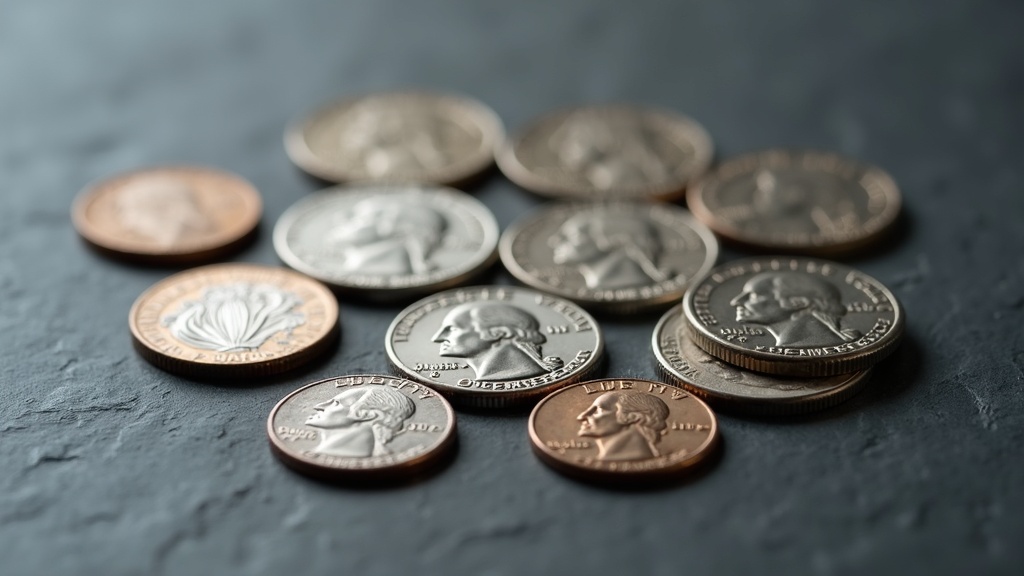
The 50 State Quarters program (1999–2008) and its successor, America the Beautiful Quarters (2010–2021), were United States Mint initiatives that put a different reverse design on the quarter for each state, territory, or national site, turning ordinary pocket change into a collectible series. Together they cover 56 states and territories plus 56 national parks and other federal sites, all struck on the same standard quarter, so collecting them is mostly about tracking down designs and mint marks rather than chasing rare metal content.
What the State Quarters program actually was
Starting in 1999, the US Mint issued five new quarter reverse designs each year, one for each state, in the order the states ratified the Constitution or joined the Union. The obverse kept George Washington’s portrait, slightly modified to make room for the new reverse artwork, while the reverse featured an image chosen to represent that state, often selected through a public submission and review process involving the governor’s office. The program ran through 2008 and also produced quarters for the District of Columbia and five US territories in 2009 under a related act.
Each quarter was struck at more than one facility, and mint marks distinguish where a coin was made. If you’re not sure how to locate that small letter or read the date placement on a specific coin, our guide on how to read the date and mint mark on a US coin walks through where to look on modern US coinage.
America the Beautiful Quarters: the follow-up series
When the state design well ran dry, Congress authorized a new program honoring national parks and other federally owned or managed sites, one per state or territory, again at five releases per year. This series ran from 2010 through 2021 and included well-known sites such as national parks, forests, seashores, and historic locations, chosen with input from the National Park Service and the states or territories involved. The composition and size stayed the same as the standard quarter, so the appeal here is almost entirely about design variety and the story behind each site rather than any change in the coin’s metal content.
Both programs sit within a long tradition of the US Mint using the quarter as a canvas for design changes, a tradition that stretches back to earlier 20th-century series. If you’re interested in that broader design history, the Standing Liberty Quarters: History and Design guide covers an earlier quarter redesign, and our US Coins & History hub has more background on how US coin designs have evolved over time.
Composition: circulating coins vs. special silver strikes
The vast majority of State Quarters and America the Beautiful Quarters that entered circulation are made from the standard modern “clad” composition used for US quarters since the mid-1960s: an outer layer of 75% copper and 25% nickel bonded to a pure copper core, with no silver content at all. These are the coins most people find in pocket change or in mint-sealed rolls.
However, the Mint also struck special versions for collectors. Proof sets sold directly to collectors included clad proof quarters, and separate silver proof sets used coins struck in .900 fine silver, similar in purity to pre-1965 US silver coinage. These silver versions were never intended for circulation and were sold at a premium directly through the Mint or authorized channels. Telling a clad quarter apart from a silver one by sight alone can be difficult, so if you’re trying to determine whether a specific coin in your collection is silver, checking its packaging, mintage records, or having it evaluated is a more reliable approach than guessing from color or weight alone.
Design and minting details worth knowing
- Mint marks: Coins were struck at the Philadelphia, Denver, and San Francisco facilities, with San Francisco producing proof versions for collector sets rather than circulation coins.
- Design variety: Reverse themes range from state symbols and landmarks to wildlife and historical scenes, reflecting choices made by each state’s design committee or, for America the Beautiful issues, the character of the featured site.
- Edge and size: Both series kept the reeded edge and standard quarter diameter used on regular circulating coinage, so they fit normally in folders, albums, and vending mechanisms designed for standard quarters.
Are these quarters rare or valuable?
Because both programs were produced in very large quantities for general circulation, most individual State Quarters and America the Beautiful Quarters are common and were never intended to be scarce. Within any large mintage, though, some coins stand out because of minting errors, unusual varieties, or exceptional condition, and those factors are what mainly drive collector interest rather than the coin’s face value. If you want to understand how errors and varieties are classified, our articles on coin error types explained and what are coin varieties go into how collectors and grading services describe these differences.
Condition also matters a great deal for any coin that has entered circulation, since handling, cleaning, and wear all affect how a coin is assessed. If you’re looking at older or well-worn examples, it’s worth reading how to tell if a coin has been cleaned before assuming a coin’s condition, since cleaning can actually reduce a coin’s appeal to collectors even if it makes the surface look brighter. For coins you think might be exceptional, a fuller understanding of how professional grading works, covered in our piece on what coin grading actually means, is a useful next step before seeking any outside opinion.
Because prices for any coin move with market demand and can change quickly, this article won’t state specific dollar figures for any particular quarter. Anyone curious about current market interest in a specific date, mint mark, or error should look to a live pricing resource or a reputable, independent source for an up-to-date read rather than relying on a number that may already be outdated.
Starting or organizing a state/ATB quarter collection
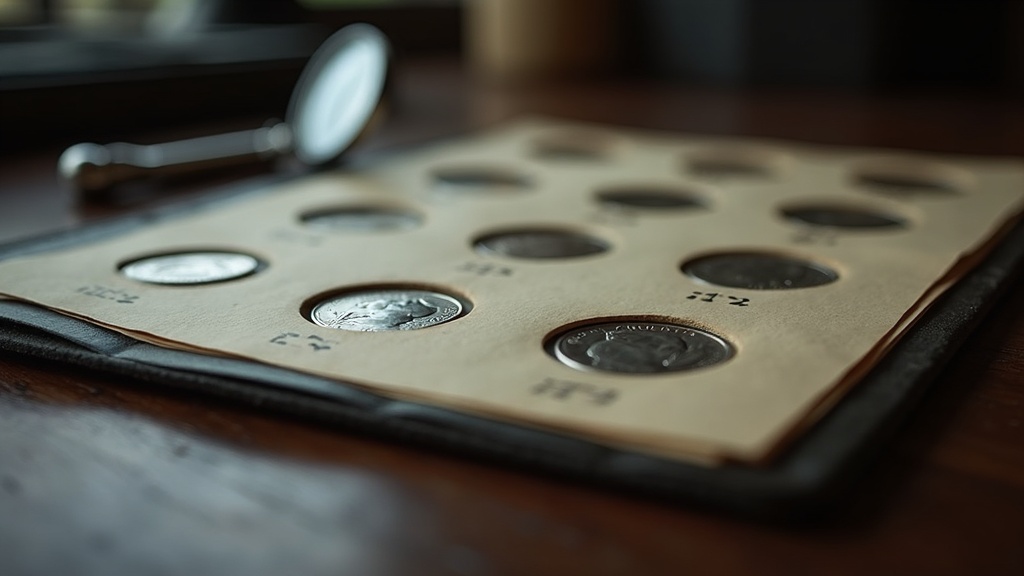
Many collectors begin with these series precisely because the coins are affordable and easy to find in circulation, making them a practical way to learn the basics of organizing and storing a collection. Decisions like whether to use a folder, album, or individual holders can affect both convenience and long-term coin protection, and our comparison of coin albums vs folders vs holders lays out the trade-offs. If you’re building a collection from the ground up rather than just filling in these two series, the broader roadmap in how to start a coin collection from scratch covers the fundamentals, and our Coin Basics & Identification hub is a good place to browse related topics like terminology and grading.
One common misstep with these series, as with many circulating commemoratives, is assuming that because a coin is old or has an interesting design, it must be scarce or valuable; that’s rarely the case with quarters struck by the hundreds of millions. Our rundown of common coin collecting mistakes beginners make touches on this kind of assumption and other pitfalls worth avoiding early on.
A note on sales pressure
Because State Quarters and America the Beautiful sets are widely marketed as “complete your collection” products, they sometimes appear in aggressive sales pitches, particularly bundled with claims about scarcity or urgency. Legitimate dealers and the Mint itself don’t rely on high-pressure tactics, countdown timers, or fear-based framing to sell coins. If you’re ever presented with a large purchase decision involving these or any other coins, taking time for a second opinion or an independent appraisal before committing is a reasonable and common-sense step, not an overreaction.
Frequently asked questions about state quarters and America the Beautiful quarters
What is the difference between state quarters and America the Beautiful quarters?
State Quarters (1999–2008) honored the 50 states plus DC and territories, while America the Beautiful Quarters (2010–2021) featured national parks and other federal sites, one per state or territory. Both used the standard quarter size and, for circulating versions, the same clad composition.
Are state quarters made of silver?
Most circulating State Quarters and America the Beautiful Quarters are copper-nickel clad with no silver. The US Mint also produced separate .900 fine silver proof versions sold directly to collectors in special sets, which were never meant to circulate.
How many state quarters are there in the full set?
The State Quarters program covered all 50 states in the order they joined the Union, later followed by a related set honoring the District of Columbia and five US territories, making a larger group when both are combined.
Do any state quarters have errors that make them worth more?
Some state quarters, most notably certain Wisconsin quarters with an extra design element, are known among collectors for die varieties or errors. Whether a specific error coin carries added collector interest depends on its authenticity, condition, and current market demand.
Where can I find a complete list of America the Beautiful quarter designs?
The US Mint’s official website maintains program information and release schedules for America the Beautiful Quarters, including which site each design honors and when it was issued, making it a reliable starting point for building a checklist.
Gold Coins Today publishes general information about coin collecting and precious metals, not financial, investment, tax or legal advice. We are writers and editors, not certified numismatists, appraisers, financial advisors or dealers. Coin and bullion values change constantly and depend on condition, authenticity and the current market — get a current appraisal or spot price from a qualified, reputable source before buying or selling, and consult a licensed financial advisor before treating precious metals as part of an investment strategy.