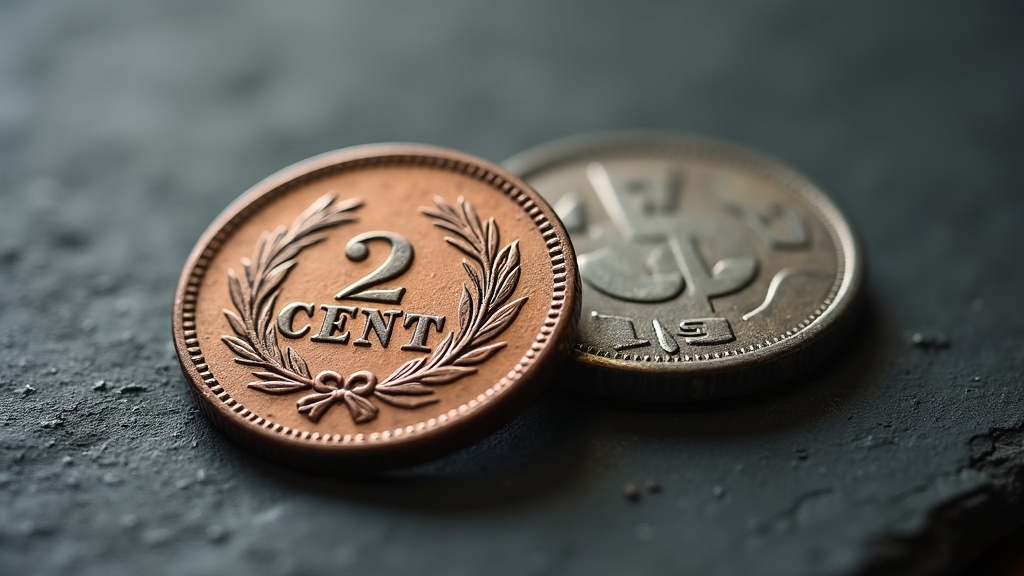
Two-cent and three-cent pieces were short-lived denominations struck by the US Mint in the mid-to-late 1800s to solve practical coin-shortage problems of their era. The two-cent piece (1864–1873) is best known for introducing the motto “In God We Trust,” while three-cent pieces came in two versions: a small silver coin (1851–1873) and a slightly larger copper-nickel coin (1865–1889). Both denominations were eventually discontinued once their original purposes faded, which is part of why collectors find them interesting today. Understanding their history helps explain why certain dates and conditions attract more attention than others.
Why these odd denominations existed
It’s easy to assume US coinage always looked the way it does now, but the mid-19th century was a period of experimentation. The Civil War caused widespread hoarding of gold, silver, and even copper coins, since people didn’t trust paper money or feared metal shortages. Small transactions became difficult when exact change simply wasn’t available in circulation. The Mint responded by testing new denominations and alloys that might fill the gap more reliably than existing cents, half dimes, and dimes. This same climate of monetary experimentation shaped other coinage decisions discussed in our broader look at US coins and history.
The silver three-cent piece actually predates the war, arriving in 1851 partly to make it easier to buy the new three-cent postage stamp and to help absorb small-denomination Spanish silver coins still circulating in the US economy. Its copper-nickel three-cent cousin came later, in 1865, as part of a broader shift toward non-precious-metal coinage for everyday use. The two-cent piece, introduced in 1864, was meant to address the shortage of small change directly, using a bronze alloy the Mint was already experimenting with for the one-cent coin.
The two-cent piece: design and specifications
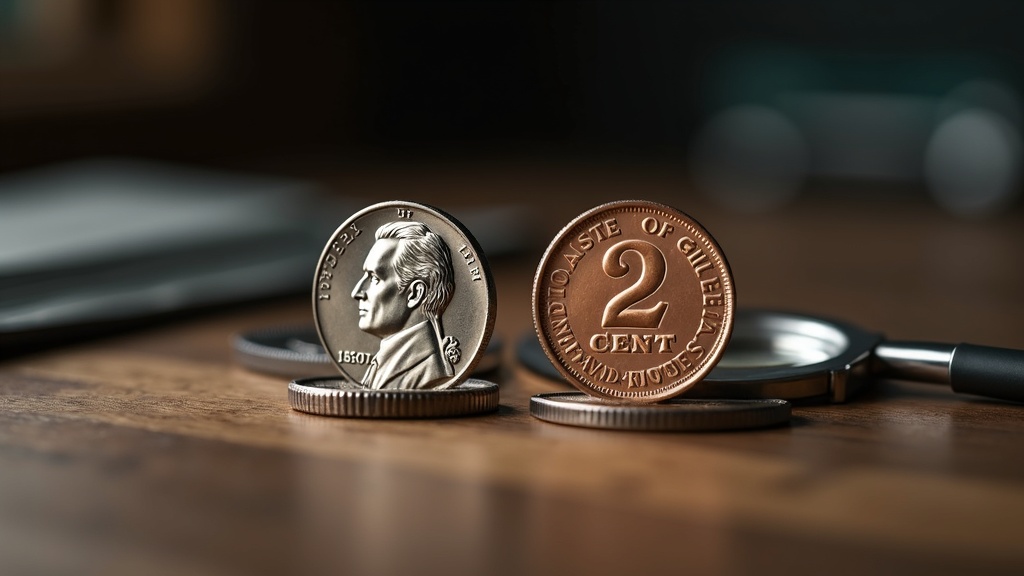
The two-cent piece was struck only from 1864 to 1873, making it one of the shorter-lived series in US coinage. It was composed of bronze, a mix of copper, tin, and zinc similar to what was used for cents of the period. Its design, featuring a shield on the obverse and a wheat wreath on the reverse, is historically notable because it was the first US coin to carry the phrase “In God We Trust,” a motto adopted partly in response to increased religious sentiment during the Civil War.
Mintages dropped sharply after the first few years as the coin failed to gain lasting public enthusiasm, and by 1873 the Mint discontinued the denomination as part of a broader coinage reform. Collectors today often look for well-struck, fully detailed shields, since striking quality varied and the design’s flat surfaces can show wear quickly. As with any series, learning to read a coin’s date and mint mark is a useful first step before trying to assess condition or rarity.
The three-cent silver piece (“trime”)
Often nicknamed the “trime,” the silver three-cent piece is one of the smallest and thinnest coins ever issued by the US Mint. It was struck in three varieties between 1851 and 1873, with subtle design changes to the border lines around the six-pointed star on the obverse. The alloy composition also changed partway through the series, moving from a higher silver content to a reduced fineness, which is a detail worth knowing if you’re trying to identify which variety you have.
Because the coin is so small and light, trimes are prone to wear and are often found with soft details, especially on the star’s points and the Roman numeral “III” on the reverse. Anyone assessing a trime’s condition should familiarize themselves with how coin grading actually works, since even small differences in wear can meaningfully affect how a coin is categorized.
The three-cent nickel piece
Introduced in 1865, the copper-nickel three-cent piece was part of a larger move toward base-metal coinage that also produced the Shield nickel. It features a profile bust on the obverse and a Roman numeral “III” within a wreath on the reverse. Unlike the silver trime, this coin has more heft and a more durable alloy, so surviving examples in higher grades are somewhat more common relative to their silver counterpart, though condition still varies widely by date.
The series ran until 1889, overlapping for years with the five-cent nickel piece it eventually lost out to in public preference. Its design lineage connects to other base-metal coinage experiments of the era, a topic explored further in our overview of the history of the Buffalo nickel and its five-cent predecessors.
What determines value in these series
As with any historic coin, value in two-cent and three-cent pieces is shaped by a combination of factors rather than any single number. These generally include:
- Condition and wear — sharper details and original luster are typically valued more than heavily worn examples.
- Date and mintage — some years were struck in far smaller quantities than others, making them scarcer in the marketplace.
- Variety — subtle design differences, such as the border changes on the silver three-cent piece, can matter to specialists.
- Originality — coins that haven’t been cleaned or altered are generally preferred; learning how to tell if a coin has been cleaned is a practical skill for any collector.
- Market demand — collector interest in a series can shift over time, affecting how sought-after certain dates or grades become.
Because prices for these coins move with the broader market and can vary significantly based on condition, this article won’t cite specific dollar figures. A current, reputable appraisal or a live reference price is a better guide than any number printed in an article, since values become outdated the moment they’re written down.
Identifying and starting a small collection
If you’re new to these denominations, start by learning to distinguish the two-cent piece’s bronze shield design from the two three-cent varieties, since size, weight, and metal color are the easiest identifiers. The silver trime is notably tiny and thin, the copper-nickel three-cent piece is a bit larger and grayish, and the two-cent piece is noticeably bigger with a coppery-bronze tone. Basic identification skills like this are covered in more depth in our coin basics and identification hub.
Storage matters too, particularly for the thin silver trime, which can bend or wear unevenly if kept loose in a drawer or pocket. Using appropriate holders designed for small coins helps preserve detail over time; our comparison of coin albums versus folders versus holders can help you choose an option suited to a small-denomination set. If you’re just getting started more broadly, our guide on how to start a coin collection from scratch covers the fundamentals that apply to any series, including these.
A note on sales pressure
Two-cent and three-cent pieces sometimes appear in aggressive sales pitches that frame them as overlooked “hidden gems” guaranteed to rise in value. Be cautious of any pitch that uses urgency, fear about currency collapse, or promises of guaranteed appreciation — legitimate dealers explain a coin’s history and condition without pressuring a quick decision. Before making any sizable purchase, it’s reasonable to seek a second opinion or an independent appraisal, and to compare pricing across more than one source.
Frequently asked questions about two-cent and three-cent pieces
What is a two-cent piece worth today?
Value depends on condition, date, and current market demand rather than a fixed number. Because prices shift constantly, the best approach is checking a current, reputable price guide or getting an independent appraisal rather than relying on a figure from an older article or listing.
Why did the US stop making two-cent and three-cent coins?
Both denominations lost relevance as coin shortages eased and public preference shifted toward other coins, like the five-cent nickel. Mint officials periodically streamlined the coinage system, and denominations with declining demand, like these, were phased out during broader reform efforts.
How can I tell the two three-cent piece types apart?
The silver three-cent piece (“trime”) is very small, thin, and pale silver-gray, while the copper-nickel three-cent piece is slightly larger, thicker, and has a grayish-nickel tone. Comparing size, weight, and color side by side is usually enough to distinguish them.
Are two-cent pieces rare?
Rarity varies significantly by date and condition; some years were struck in much smaller numbers than others. Rather than assuming rarity based on the series alone, it helps to research individual dates and compare available population information from reputable grading resources.
Is it safe to buy these coins from an online seller?
Buying from any seller carries some risk, so it’s wise to research the seller’s reputation, ask for clear photos or grading documentation, and be wary of high-pressure tactics or “guaranteed” value claims. A second opinion or independent appraisal before a larger purchase is a reasonable precaution.
Gold Coins Today publishes general information about coin collecting and precious metals, not financial, investment, tax or legal advice. We are writers and editors, not certified numismatists, appraisers, financial advisors or dealers. Coin and bullion values change constantly and depend on condition, authenticity and the current market — get a current appraisal or spot price from a qualified, reputable source before buying or selling, and consult a licensed financial advisor before treating precious metals as part of an investment strategy.