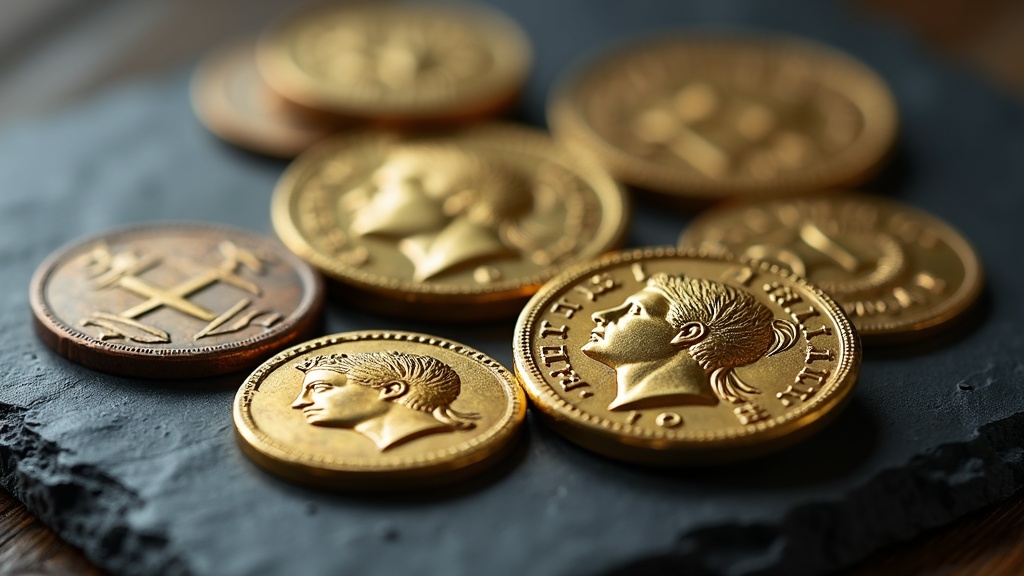
Byzantine coinage refers to the coins struck by the Eastern Roman Empire from roughly the founding of Constantinople in the fourth century through the empire’s fall in 1453. It is essentially a continuation of Roman coinage traditions, but it developed its own denominations, its own heavily Christian iconography, and a currency system built around a famously stable gold coin called the solidus. For collectors, it forms a bridge between the ancient and medieval worlds.
Because the Byzantine Empire lasted over a thousand years, its coinage is not a single, uniform thing. Coins minted under Justinian in the sixth century look quite different from those struck in the final decades before Constantinople fell. Understanding a few core denominations, how designs evolved, and what shapes collector interest today can make this long and sometimes intimidating series much more approachable.
From Roman Coinage to a Distinct Byzantine System
Byzantine coinage did not appear overnight. It grew directly out of the late Roman monetary system, and early Byzantine coins can be difficult to distinguish from late Roman issues without knowing what to look for. Readers coming from an interest in ancient Roman coins or who have compared Roman Republic and Empire coinage will recognize familiar elements: profile portraits of the ruler, Latin (and later Greek) legends, and denominations tied to precious metal weight standards.
The real turning point came with monetary reforms in the fourth century that established the gold solidus as the backbone of the economy, and later with the gradual shift from Latin to Greek as the primary language of coin legends. Over centuries, portraiture became more stylized and frontal, and religious imagery, especially images of Christ and the cross, became central to coin design in a way that had no real precedent in earlier Roman coinage.
The Main Denominations
Byzantine coinage is generally organized around three broad tiers of value: gold, silver, and copper alloy. Each tier had its own primary coin, though names and specific weights shifted over the centuries.
- Solidus: The signature gold coin of the Byzantine economy, first introduced under Roman reforms and continued for centuries afterward. It was prized for a gold content that stayed remarkably consistent for a very long stretch of Byzantine history, which is part of why it became a trusted trade coin across the Mediterranean and beyond.
- Miliaresion: A thin silver coin introduced later in the Byzantine period, used alongside gold and copper issues, though silver coinage played a smaller overall role in the Byzantine system than gold and copper did.
- Follis: The main copper alloy coin used for everyday transactions. Follis types are especially interesting to collectors because their sizes, weights, and designs changed noticeably over time, reflecting periodic reforms and economic pressures.
Smaller fractional denominations existed as well, and naming conventions shifted as the empire reformed its coinage across different eras. Collectors moving between Byzantine and other pre-modern series often find it useful to review a general coin collecting terminology guide since Byzantine numismatics uses its own vocabulary for weights, mints, and coin types.
Design and Iconography
One of the most distinctive features of Byzantine coinage is how thoroughly religious imagery came to dominate its designs. Early coins carried imperial portraits reminiscent of Roman prototypes, often shown in profile with military or imperial regalia. Over time, images of Christ, the Virgin Mary, and saints became common, sometimes appearing on the same coin as the emperor, reflecting the close relationship between imperial authority and the Christian church in Byzantine political life.
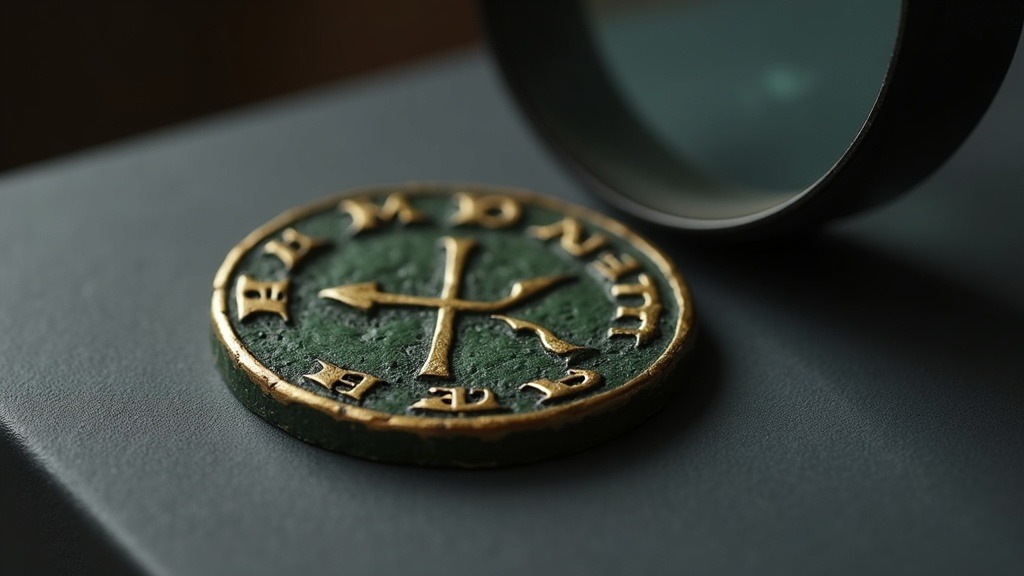
Legends shifted from Latin to Greek as the empire’s spoken and administrative language changed, and coin inscriptions often included religious phrases alongside the ruler’s name and titles. Mint marks, officina numbers, and other small design details can help identify where and roughly when a given coin was struck, similar in spirit to how a collector of modern coins might learn to read the date and mint mark on a US coin, even though the specific conventions differ considerably between ancient and modern minting practices.
Debasement, Reform, and Economic History
Byzantine coinage also tells an economic story. The gold solidus maintained a reputation for stability across several centuries, but that stability was not permanent. Later periods of the empire saw episodes of debasement, where the precious metal content of coins was reduced, often in response to fiscal pressure, war, or shrinking territory. These changes are part of what makes later Byzantine coins historically interesting: the physical coin itself can reflect the empire’s political and economic fortunes at the time it was struck.
This pattern of long-term monetary stability followed by later strain is not unique to Byzantium. Readers interested in how coinage evolved and sometimes struggled through political upheaval elsewhere in the pre-modern world may enjoy an introduction to medieval European coinage, which picks up many of these same themes in Western Europe during the centuries after Rome’s fall in the west.
Collecting Byzantine Coins Today
Byzantine coins are widely collected, and many bronze folles in particular are accessible to beginners because so many were struck and have survived in worn but recognizable condition. Gold solidi tend to attract more attention from collectors interested in precious metal content as well as history, since gold coinage generally holds up well physically over long periods compared with base metal issues.
As with any ancient or medieval coin, condition, rarity of the specific ruler or mint, and overall authenticity all play a role in how a piece is regarded by collectors. Surface wear, past cleaning, and corrosion are common issues with coins this old, and it is worth learning how to tell if a coin has been cleaned before assuming a bright or shiny ancient coin is simply in exceptional original condition. Because pricing and demand for ancient coinage shift with the broader market, anyone considering a purchase should look to a current, reputable appraisal or dealer assessment rather than relying on older reference numbers, which can go stale quickly.
If you are new to ancient and world coins generally, the site’s broader World & Ancient Coins section is a reasonable starting point for context before narrowing in on a specific empire or era like Byzantine coinage.
A Note on High-Pressure Sales Tactics
Ancient coins, including Byzantine gold issues, are sometimes marketed aggressively as a way into precious metals ownership, occasionally alongside fear-based pitches about currency instability. Legitimate coin dealers and appraisers do not need to rush a buyer into a decision. If you are ever pressured to buy quickly, told a piece is a guaranteed opportunity, or discouraged from getting a second opinion, that is a signal to slow down. A independent appraisal or a second opinion from another qualified source is a perfectly reasonable step before any significant purchase.
Frequently asked questions about Byzantine coinage
What is the most common Byzantine coin?
The bronze follis is generally the most commonly encountered Byzantine coin today, since it was produced in large quantities for everyday transactions across many reigns, while gold solidi and silver miliaresia were minted in smaller relative numbers.
Are Byzantine coins made of real gold?
Many Byzantine gold coins, especially the solidus, were struck in gold that stayed remarkably consistent in purity for centuries, though later periods saw episodes of debasement, so gold content varied depending on when and where a particular coin was minted.
How can I tell how old a Byzantine coin is?
Dating relies on identifying the ruling emperor from the portrait and inscription, along with mint marks and design details that changed over time; because Byzantine coins rarely show a specific year the way modern coins do, reference materials or a knowledgeable appraiser are usually needed for precise dating.
Is Byzantine coinage the same as Roman coinage?
Byzantine coinage grew directly out of the late Roman monetary system and shares many early features with it, but over time it developed distinct denominations, switched primarily to Greek legends, and adopted much more overtly Christian imagery, making it a related but separate tradition from classical Roman coinage.
What determines the value of a Byzantine coin?
As with most ancient coinage, value depends on factors like condition, the rarity of the specific ruler or mint, historical significance, and current collector demand; because these factors shift over time, a current appraisal from a qualified, reputable source is the best way to get an accurate picture for any particular coin.
Gold Coins Today publishes general information about coin collecting and precious metals, not financial, investment, tax or legal advice. We are writers and editors, not certified numismatists, appraisers, financial advisors or dealers. Coin and bullion values change constantly and depend on condition, authenticity and the current market — get a current appraisal or spot price from a qualified, reputable source before buying or selling, and consult a licensed financial advisor before treating precious metals as part of an investment strategy.