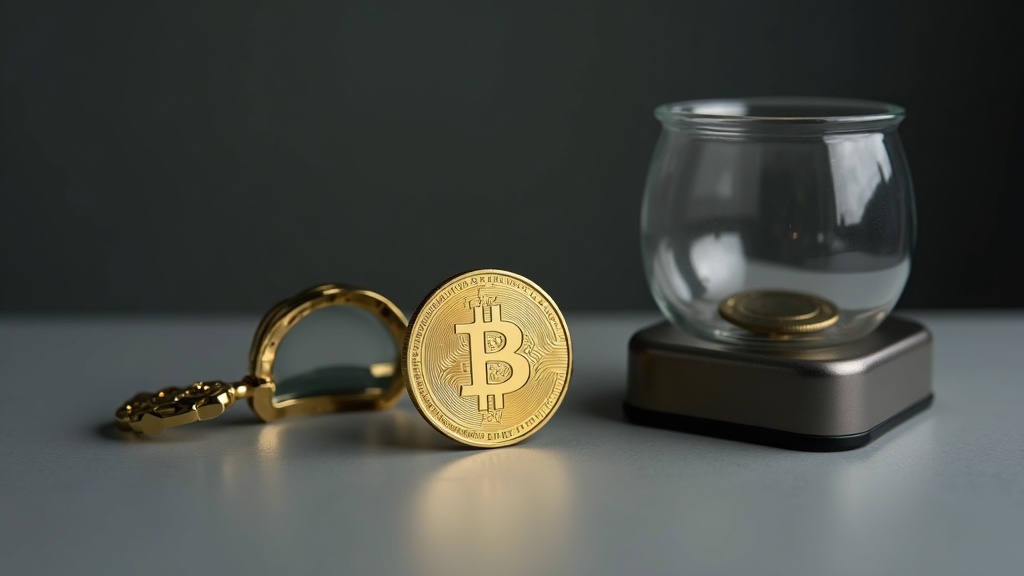
Telling real gold from fake generally comes down to checking weight and dimensions against known specifications, looking for correct hallmarks and mint marks, testing magnetic response, and comparing the piece against reference images from an official mint. No single home test is foolproof, which is why anything of meaningful size or price should also get a professional look before you rely on it.
Counterfeiters have gotten more sophisticated over the decades, producing fake coins and bars with convincing weight, color, and even fake mint packaging. That doesn’t mean detection is hopeless — it means a careful buyer uses several checks together rather than trusting one shortcut, and treats a professional opinion as a normal part of buying, not an insult to the seller.
Start with weight, diameter, and thickness
Every widely produced bullion coin and bar has published specifications from its issuing mint or refiner — exact weight, diameter, and thickness. A digital scale accurate to at least a hundredth of a gram and a caliper are inexpensive tools that catch a large share of counterfeits immediately, because faking the correct weight *and* the correct dimensions *and* the correct purity all at once is difficult. If a coin is the right diameter but too light, or the right weight but slightly too thick (a common trick when a base metal is used inside), that’s an immediate red flag.
This is also why understanding standard formats matters. Coins like the American Gold Eagle, the Canadian Maple Leaf, or fractional sizes covered in our guide to common bullion coin sizes follow tight, published tolerances. If you don’t know what the genuine specs are supposed to be, you can’t tell when something’s off.
Compare against official specifications
Reputable mints publish exact specs for their coins. Cross-checking weight, diameter, and edge design against those published numbers — rather than against what a seller tells you — is one of the simplest and most reliable steps available to a non-expert.
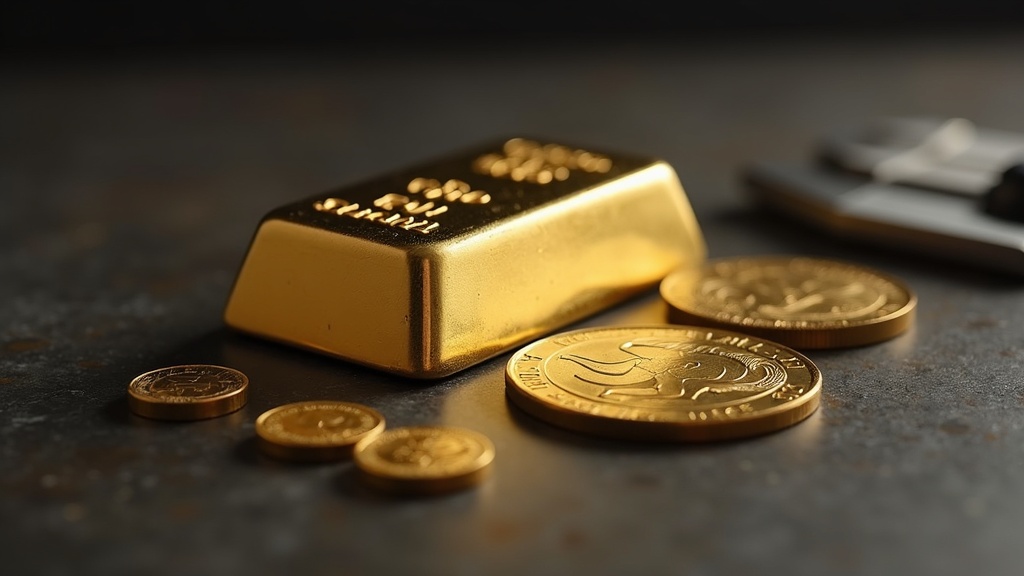
Purity and the ping/sound test
Gold has a distinctive density and a distinctive ring when struck, which is why some collectors use a “ping test,” tapping a coin and listening for a long, clear tone versus a dull thud. This can be a useful supplementary clue, but it’s not conclusive on its own — plating and clever alloy blends can sometimes mimic an acceptable tone, and inexperienced ears may misjudge it. Purity itself is usually expressed as karats or fineness, and understanding what those numbers actually mean is worth doing before you try to evaluate a coin’s authenticity; our explainer on gold purity, karats, and fineness walks through how those figures are marked and read.
Magnet test
Gold is not magnetic, so a strong rare-earth magnet is a quick screening tool: if a coin or bar is pulled toward the magnet noticeably, it is not solid gold. This test catches crude fakes made from iron-based alloys, but it will not catch a fake made from non-magnetic metals like tungsten, which has a density close enough to gold to fool weight checks in some counterfeit designs. The magnet test is a fast way to rule things out, not a way to confirm authenticity.
Visual inspection: mint marks, edges, and design detail
Genuine coins from major mints have crisp, consistent design elements, correctly formed lettering, and edge reeding or lettering that matches official references. Look closely at:
- Sharpness of design details compared to reference photos from the issuing mint
- Consistency of the edge — reeded, plain, or lettered, matching the genuine issue
- Correct mint marks and date placement, similar in principle to checking how to read a date and mint mark on a US coin
- Any seams, unusual color variation, or signs the surface has been plated over a different core
A jeweler’s loupe or a macro photograph magnified on a screen can reveal soft, mushy details or slightly wrong lettering shapes that are hard to spot with the naked eye. Comparing a suspect coin side by side with a verified genuine example, or with clear images from the issuing mint’s own site, is one of the more reliable non-technical checks available to a beginner.
Specific gravity and electronic testing
Because gold has a specific, well-documented density, some collectors use a specific-gravity test: weighing a piece in air and then in water and comparing the calculated density to gold’s known value. This requires careful measurement and a bit of arithmetic, and small errors in technique can throw off the result, so it works best as a supporting check rather than the final word. Electronic testers that measure electrical conductivity or use ultrasound to “see” inside a coin exist as well, and professional dealers and grading services often have access to this kind of equipment — which is one reason a second opinion is genuinely useful rather than just a formality.
Why bars and coins are tested differently
Bars present a different challenge than coins because they generally carry less design detail to compare against, though reputable refiners stamp bars with serial numbers, weight, and purity marks that can sometimes be checked against a refiner’s records. Understanding the practical differences between these two formats — including how each is typically packaged, sealed, and verified — is covered in our comparison of bullion coins versus bars. Minting method also matters: bullion coins produced by government mints go through a different production process than commemorative or collector issues, discussed in our piece on how bullion coins are minted versus collector coins, and understanding that process helps explain why certain surface characteristics are expected on a genuine piece.
Third-party grading and encapsulation
For coins with numismatic as well as bullion value, third-party grading services examine, authenticate, and seal coins in tamper-evident holders. This doesn’t replace your own basic checks, but it does add a documented, independent opinion behind a coin’s authenticity and condition. Our article on what third-party grading services actually do explains the process in more detail, including what a grading label does and doesn’t tell you.
Red flags and high-pressure sales tactics
Authentication concerns often surface hand-in-hand with sales pressure. Be cautious of any seller who:
- Pushes urgency (“today only,” “prices are about to spike”) to discourage you from checking anything
- Refuses to let you weigh, measure, or independently inspect a piece before purchase
- Uses fear-based framing about currency collapse or economic disaster to rush a decision
- Cannot or will not provide documentation of a coin’s origin, mint, or prior authentication
Legitimate dealers and mints do not need to pressure a buyer into skipping basic verification. A request for a moment to check specifications, or a second opinion from an independent source, is a completely normal part of buying gold — not a sign of distrust that a reasonable seller should object to.
Where authentication fits into value
Authenticity is a prerequisite for value, not the same thing as value itself. Once a piece is confirmed genuine, what it’s actually worth depends on factors like purity, weight, condition, rarity, and current market demand — the same variables discussed in our overview of what determines a coin’s melt value. Because market prices shift constantly, any specific figure you’re quoted should be checked against a current, live spot price from a reputable source rather than a number you read somewhere in advance.
Frequently asked questions about telling real gold from fake
How can I test gold at home without special equipment?
A magnet and an accurate digital scale are the most accessible starting tools — genuine gold isn’t magnetic, and its weight and dimensions should match published mint specifications closely. These checks rule out crude fakes but can’t confirm authenticity on their own for a valuable piece.
Does a magnet test prove a coin is real gold?
No. A magnet only shows that a piece isn’t made from strongly magnetic metals like iron. Some counterfeits use non-magnetic fillers such as tungsten that pass the magnet test while still being fake, so a passed magnet test should be combined with other checks.
What’s the easiest way to spot a fake gold coin visually?
Compare the coin’s design sharpness, lettering, edge pattern, and mint mark placement against official reference images from the issuing mint. Soft or mushy details, incorrect edge reeding, or inconsistent color are common signs worth investigating further.
Should I get a coin professionally authenticated before buying it?
For anything beyond a small, low-cost piece, a second opinion or independent appraisal is a reasonable step, and reputable sellers won’t discourage it. Third-party grading services and experienced appraisers have tools and reference resources that go well beyond basic home tests.
Are fake gold bars as common as fake gold coins?
Both exist, but they present different challenges since bars typically carry less design detail to compare visually. Reputable refiners stamp serial numbers, weight, and purity onto bars, which can sometimes be checked, but bars generally warrant the same combination of weighing, measuring, and independent verification as coins.
Gold Coins Today publishes general information about coin collecting and precious metals, not financial, investment, tax or legal advice. We are writers and editors, not certified numismatists, appraisers, financial advisors or dealers. Coin and bullion values change constantly and depend on condition, authenticity and the current market — get a current appraisal or spot price from a qualified, reputable source before buying or selling, and consult a licensed financial advisor before treating precious metals as part of an investment strategy.