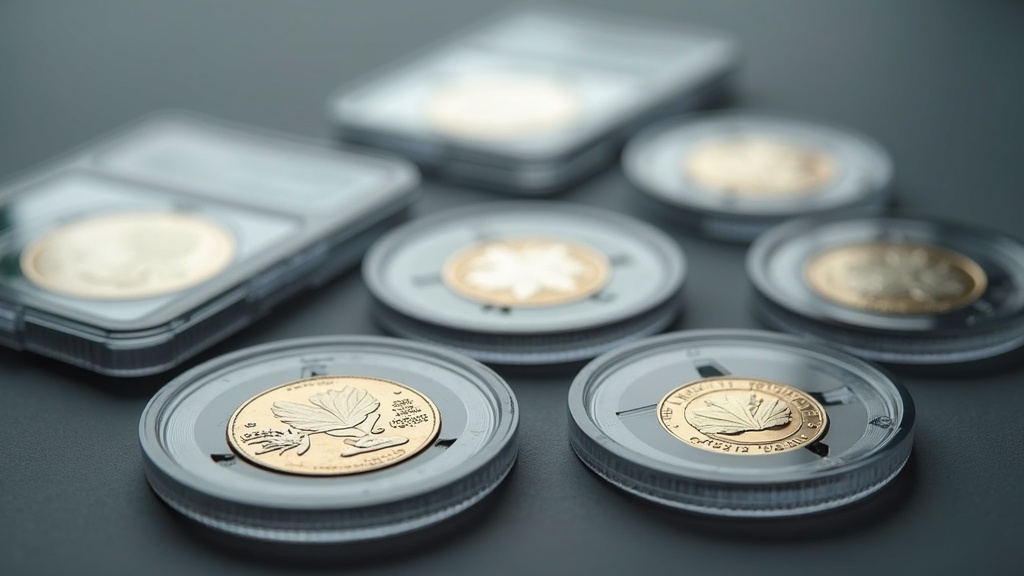
A coin population report is a running tally, published by a third-party grading service, of how many coins of a given type, date, and mint mark have been graded at each grade level on their scale. It tells you how many examples of a specific coin the service has certified as, say, MS-65 versus MS-63, but it does not tell you how many of that coin actually exist, and it is not a price guide. Understanding the difference between those two things is the whole point of learning how population reports work.
What a Population Report Actually Counts
When a major third-party grading service like PCGS or NGC certifies a coin, it records that submission in a database: the coin’s series, date, mint mark, any variety or error designation, and the grade assigned. Add up every one of those records for a specific coin and you get its “population” at each grade. Publish that table publicly, sorted by date and mint mark, and you have a population report. Collectors use these reports to get a rough sense of how scarce a coin is in a particular condition, which matters a great deal when comparing something described only in grading-scale terms like the ones explained in our piece on MS vs AU vs XF grade abbreviations.
It’s worth being clear that population reports are a byproduct of the grading business, not an independent census. They reflect what has been submitted for certification, not what was minted or what survives in private hands, bank vaults, or estate collections that have never been sent in.

How the Numbers Get Built
The mechanics are fairly simple. A collector or dealer submits a coin to a grading service. A team of graders examines it under magnification, evaluates strike, luster, marks, and eye appeal, and assigns a numeric grade following a scale like the one described in our overview of the Sheldon coin grading scale. The coin is then encapsulated in a tamper-evident holder along with a label showing the grade, and the submission is logged into the company’s database. That log, aggregated across every coin the service has ever certified, becomes the population report. It updates continuously as new coins are submitted, so the figures you see on a given day are a snapshot, not a fixed historical record.
Both major services publish their population data online and let anyone search by series, date, and mint mark. The reports typically show a grid: grades running along one axis, and the count of coins certified at each grade running down the other, often split further by designations like full bands, full strike, or proof versus business strike, a distinction covered in more depth in our article on proof coins versus business strikes.
Why the Same Coin Can Be Counted More Than Once
One of the most important quirks of population data is resubmission. If an owner isn’t satisfied with a grade, or believes a coin was undergraded, they can crack it out of its holder and resubmit it, sometimes to the same service, sometimes to a competitor. Each new submission is logged as a new event. That means a single physical coin can appear multiple times in a population report over the years, inflating the apparent count for that grade without a single additional coin having actually been minted or discovered.
Crossovers add another layer: a coin graded by one service can be resubmitted to another for certification, and it will then show up in that second company’s population report too, while the earlier record may or may not be removed depending on the service’s policies. Some coins are also resubmitted specifically in hopes of getting a variety or error attribution added, which is common with dramatic doubled dies and other anomalies discussed in our guide to coin error types. None of this is misleading on the grading service’s part, it is simply how a submission-based database naturally behaves, but it means population totals should be read as an approximation of scarcity, not a precise headcount of surviving coins.
What Population Reports Can and Can’t Tell You
Population reports are genuinely useful for certain questions and unreliable for others. They can help you get a general sense of how common or scarce a coin is at a specific grade relative to other grades in the same series, which is useful context when researching a suspected key date coin or a recognized variety like the ones outlined in our article on what are coin varieties. Seeing that a coin has a low certified population in gem condition compared to circulated grades can explain why collectors pay closer attention to condition for that particular date.
What population reports cannot reliably tell you is the total number of that coin in existence, since uncertified coins in dealer inventories, old collections, and family holdings simply don’t appear. They also can’t tell you current market value on their own, because rarity is only one factor among several, alongside demand, eye appeal, and overall market conditions. And they can’t substitute for actually examining a coin, since a population report has no way of flagging whether a particular coin has been improperly cleaned, a problem discussed in our guide on how to tell if a coin has been cleaned, or whether its date and mint mark, explained in our piece on how to read the date and mint mark, have been correctly identified in the first place.
A Simple Way to Think About the Numbers
| Population report shows | Population report does not show |
|---|---|
| How many submissions received a given grade | How many coins physically exist, certified or not |
| Relative scarcity across grades in a series | Current market value or demand |
| Whether a variety or error has been attributed | Whether an individual coin has been altered or cleaned |
How Collectors Use Population Data in Practice
Experienced collectors tend to treat population reports as one research tool among several, not a standalone answer. A common approach is to cross-reference the population figures with general grading standards, explained in our overview of what coin grading actually means, and with broader background research on the series before drawing any conclusions about a coin’s significance. Beginners exploring a new area of the hobby often start with foundational material in our coin basics and identification section before trying to interpret population tables, since the numbers make far more sense once you understand grading terminology and how mint marks and dates are read.
It’s also reasonable to check population figures from more than one grading service if a coin has been certified by multiple companies over time, since coverage and submission volume can differ between services, especially for older or less commonly submitted series.
A Word on Sales Pressure
Population report numbers are sometimes used in aggressive sales pitches, framed as proof that a coin is “extremely rare” and about to become scarce or valuable. A low population figure is worth noting as one data point, but it is not a guarantee of anything, and legitimate dealers and grading services don’t need high-pressure urgency to make their case. If someone is using population statistics to rush a purchase decision, it is entirely reasonable to ask for time, request documentation, and seek an independent opinion or appraisal before committing to anything, particularly for a larger purchase.
Frequently asked questions about coin population reports
What is a coin population report?
A coin population report is a database published by a grading service listing how many coins of a specific date, mint mark, and variety have been certified at each grade level, used by collectors as a general reference for relative scarcity within a series.
Do population reports show how rare a coin really is?
They show how many submitted coins received a given grade, not the total number in existence, since uncertified coins in private hands aren’t counted and resubmissions can cause the same coin to be logged more than once.
Why does a population number sometimes go up over time?
Numbers rise as new coins are submitted for certification, but they can also rise because owners resubmit the same coin hoping for a higher grade or a crossover between services, which adds another entry without a new coin existing.
Can I use a population report to find out what my coin is worth?
Not directly. Population data reflects scarcity at a grade level, but value also depends on condition specifics, demand, and current market conditions, so a current appraisal or live spot price check from a reputable source is the more reliable path.
Which grading services publish population reports?
The major third-party grading services that certify US and world coins each maintain and publish searchable population data online, typically organized by series, date, mint mark, and grade, updated as new submissions are processed.
Gold Coins Today publishes general information about coin collecting and precious metals, not financial, investment, tax or legal advice. Articles on this site are drafted with AI assistance (see our editorial policy) and are not written or reviewed by certified numismatists, appraisers, financial advisors or dealers. Coin and bullion values change constantly and depend on condition, authenticity and the current market — get a current appraisal or spot price from a qualified, reputable source before buying or selling, and consult a licensed financial advisor before treating precious metals as part of an investment strategy.