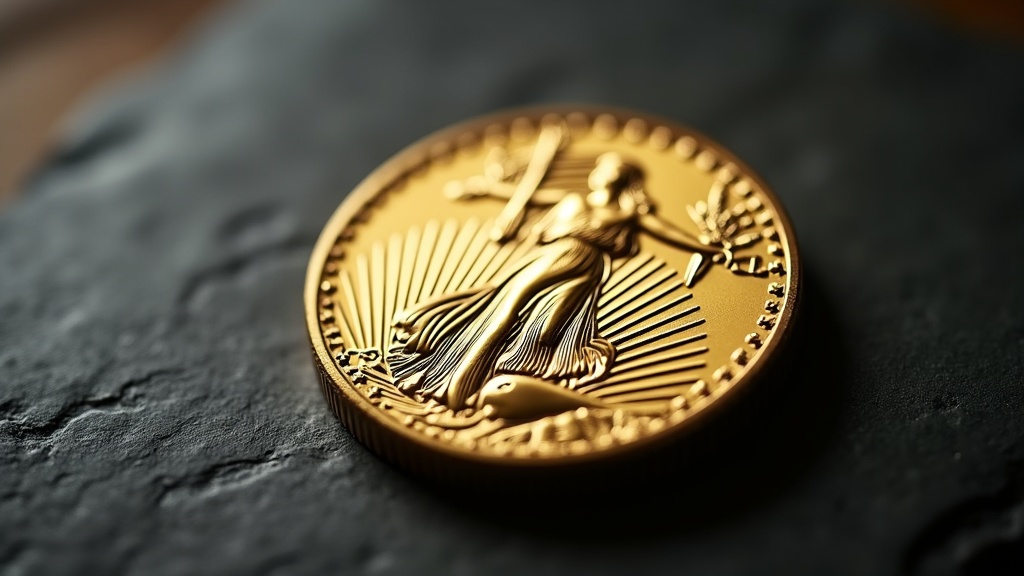
The Saint-Gaudens double eagle is a twenty-dollar gold coin minted by the United States from 1907 to 1933, designed by sculptor Augustus Saint-Gaudens at the personal request of President Theodore Roosevelt. It is widely considered one of the most artistically ambitious coins the US Mint ever produced, prized for its high-relief striding Liberty figure and flying eagle reverse. Its story involves a president’s obsession with beauty in coinage, a struggle between artistry and factory-line practicality, and a dramatic final chapter tied to the end of the American gold coin era.
A president who wanted better coins
By the early 1900s, Theodore Roosevelt had grown openly critical of American coin design, which he considered dull compared to ancient Greek coinage he admired. He approached Augustus Saint-Gaudens, already the most celebrated American sculptor of the era, and asked him to redesign the nation’s gold coins. Saint-Gaudens was ill with cancer during much of the project, but he pushed forward, producing designs for both the ten-dollar eagle and the twenty-dollar double eagle before his death in 1907. Roosevelt wanted coins struck in the kind of high relief seen on medals, where the design stands dramatically above the coin’s surface, even though he knew this would create real problems for mass production.
Readers who enjoy this kind of design history often explore the broader US coins and history archive on this site, which covers how political figures, engravers, and mint officials shaped the coins that circulated through everyday American life.
The design: Liberty, sunrise, and an eagle in flight
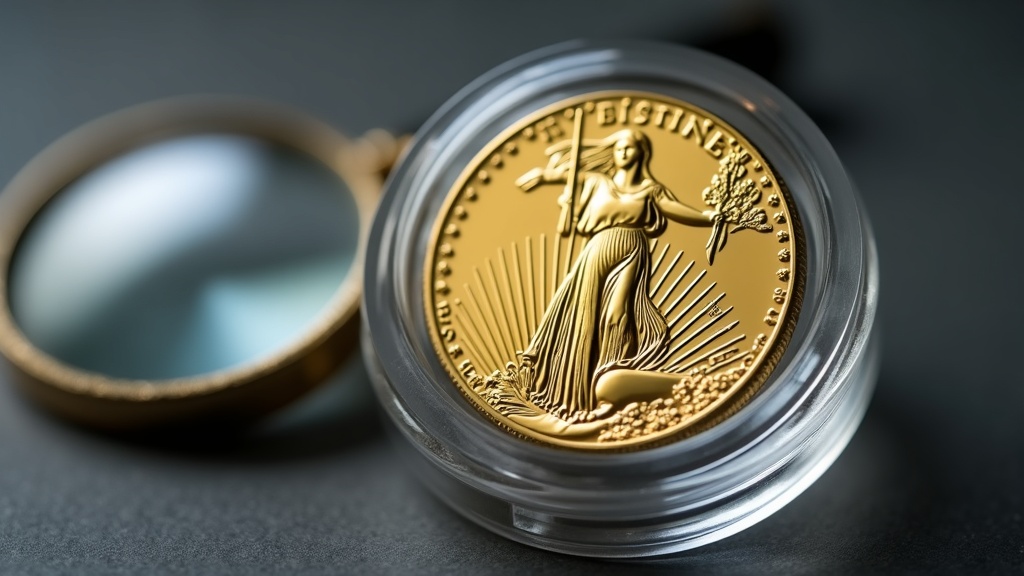
The obverse shows a full-length figure of Liberty striding forward, torch raised in one hand and an olive branch in the other, with the US Capitol building faintly visible in the background and rays of sunlight fanning behind her. The reverse depicts an eagle in flight above a rising sun. Both images were adapted from earlier sculptural and medallic work Saint-Gaudens had already created, then reworked specifically for a coin. The lettering, the positioning of the motto, and even whether “In God We Trust” would appear became points of debate, since Roosevelt initially felt the phrase was used too casually and left it off the earliest strikes, prompting public criticism that led Congress to require its return the following year.
High relief versus the reality of a coin press
The first double eagles struck in 1907, sometimes called the high-relief or ultra-high-relief versions, captured Saint-Gaudens’ original vision with dramatic depth to the design. The problem was practical: this level of relief required multiple strikes from the coining press to bring up full detail, which was far too slow and costly for producing millions of coins a year. Mint officials, led by chief engraver Charles Barber, flattened the relief for regular production coinage that followed, trading some of the sculptural drama for a design that could actually be struck efficiently on a commercial scale. Collectors today still distinguish between these early high-relief pieces and the standard-relief coins that made up the bulk of the series, a distinction that matters a great deal for anyone trying to understand relative scarcity within the series.
Anyone new to the vocabulary used to describe these differences may find it useful to work through a beginner’s guide to coin collecting terminology before digging deeper into double eagle varieties, since terms like relief, strike, and mint mark come up constantly in discussions of this coin.
Mint marks, mintages, and why some dates matter more
Saint-Gaudens double eagles were struck at the Philadelphia, Denver, and San Francisco mints across their run, and as with most US coin series, certain combinations of year and mint mark were produced in far smaller numbers than others, or saw most of their surviving examples melted down over the following decades. Learning to read that mint mark correctly is a basic but essential skill, and the site’s guide on how to read the date and mint mark on a US coin walks through exactly where to look on gold coinage from this era.
Some dates within the series are understood by collectors to be considerably harder to find in problem-free condition than others, which is part of why the concept of a key date matters so much in this hobby. The article on what a key date coin is and why it matters explains how scarcity, survival rates, and demand interact to make certain dates the focus of most serious collecting within a series like this one.
1933: the year gold coinage stopped
The most dramatic chapter in the Saint-Gaudens story involves the 1933-dated double eagle. That year, in the midst of the Great Depression, the federal government moved to take the country off the domestic gold coin standard, and an executive order required most gold coins to be turned in. Double eagles struck in 1933 were prepared at the Mint but were never officially released into circulation, and the government ordered nearly the entire mintage melted down. A small number of pieces nonetheless left the Mint through circumstances that were never fully authorized, and the resulting legal disputes over ownership stretched on for decades. Today only a very limited number of 1933 double eagles are known to exist outside government hands, and their unusual legal history is arguably as famous within numismatics as the coin’s design itself.
Collecting Saint-Gaudens double eagles today
Because these are gold coins with genuine historical and artistic significance, they attract attention from both longtime collectors and people newer to the hobby who may be more focused on the gold content than the design itself. If you’re considering one, a few basics from general coin collecting apply just as strongly here as anywhere else:
- Condition drives value as much as rarity does, so understanding grading terms like MS, AU, and XF helps you follow what a listing or a grading label is actually telling you.
- Third-party grading and encapsulation exist to give buyers and sellers a shared, independent opinion on authenticity and condition; the page on what grading services actually do explains that process without overstating what a grade guarantees.
- Because certain dates are scarce, understanding how coin population reports work can put claims of rarity into better context before you take a seller’s word for it.
- Cleaning a gold coin, even gently, can reduce its value to collectors by disturbing its original surface; the guide on how to tell if a coin has been cleaned covers signs worth learning before you touch any old gold coin.
A word on pressure tactics
Saint-Gaudens double eagles are exactly the kind of coin used in aggressive marketing, sometimes tied to fear-based pitches about currency collapse or urgent limited-time offers. A legitimate, reputable dealer does not need high-pressure tactics to sell a coin with genuine historical merit, and it is entirely reasonable to ask for time, request independent verification of a coin’s grade and authenticity, or get a second opinion before making a large purchase. Current gold prices and coin values change constantly and are best confirmed through a live, reputable spot-price source or a current independent appraisal rather than a number quoted in a sales pitch.
Frequently asked questions about the Saint-Gaudens double eagle
Why is the Saint-Gaudens double eagle considered so valuable artistically?
It’s considered a high point of American coin design because sculptor Augustus Saint-Gaudens applied fine-art sculptural techniques, unusually deep relief, and classically inspired imagery to a coin meant for everyday commerce, a rare combination for circulating US currency at the time.
What is a high-relief Saint-Gaudens double eagle?
High-relief refers to the earliest 1907 strikes, where the design sits noticeably deeper and more sculptural than later production coins, closer to Saint-Gaudens’ original vision before the Mint simplified the relief for efficient mass production.
Why did the government melt most 1933 double eagles?
The coins were struck the same year the US moved away from domestic gold coinage circulation, so nearly the full mintage was never officially released and was ordered melted, with only a small number surviving outside government custody through disputed circumstances.
How can I tell if my Saint-Gaudens double eagle is authentic?
Because this series has long been counterfeited, careful buyers often rely on third-party grading services to authenticate and grade a coin, and pairing that with an independent appraisal is a reasonable step before any significant purchase or sale.
Where can I learn the basics before buying gold coins like this one?
Starting with general coin collecting fundamentals helps; resources like a guide on how to start a coin collection from scratch and a list of common mistakes beginners make cover groundwork that applies to gold coins as much as any other series.
Gold Coins Today publishes general information about coin collecting and precious metals, not financial, investment, tax or legal advice. We are writers and editors, not certified numismatists, appraisers, financial advisors or dealers. Coin and bullion values change constantly and depend on condition, authenticity and the current market — get a current appraisal or spot price from a qualified, reputable source before buying or selling, and consult a licensed financial advisor before treating precious metals as part of an investment strategy.