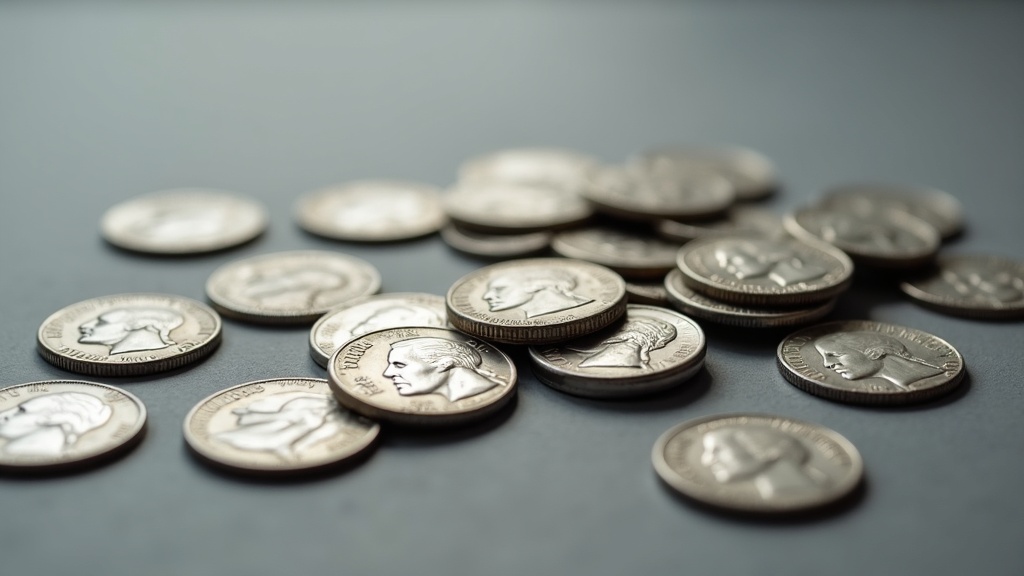
“Junk silver” is a slang term for old, worn circulating coins that were struck in a silver alloy (commonly 90% silver in the US) rather than pure silver — it has nothing to do with the coins being damaged or low quality. The name refers to the fact that these coins carry no collector premium beyond their metal content and are traded mainly for their silver value rather than rarity or condition. Understanding what “junk silver” means starts with understanding silver purity itself, and how fineness, alloy, and wear all interact.
What “purity” and “fineness” actually describe
Silver purity refers to how much of a coin or bar is actually silver versus other metals mixed in for durability. Fineness is usually expressed as a decimal or percentage: .999 fine silver is 99.9% pure, while .900 fine (90%) silver means nine parts silver to one part base metal, typically copper. Pure silver is quite soft, so historically mints alloyed it with copper to make coins that could withstand decades of handling without wearing down too quickly. This is the same basic logic behind gold purity measured in karats, which we cover in more detail in our piece on gold purity, karats, and fineness.
Different countries and eras used different standards. British sterling silver coinage, for instance, historically used a .925 fineness standard, while many US coins before 1965 used .900. Some world coinage used .800 or lower. None of these are “fake” silver — they’re simply different alloy recipes chosen for different reasons, and the percentage tells you exactly how much actual silver is present by weight.
Where the term “junk silver” comes from
In 1965, the US Mint transitioned circulating dimes, quarters, and half dollars away from a 90% silver composition to a copper-nickel clad composition, largely because rising silver prices made the older coins worth more in metal than in face value. Coins struck before that changeover — along with earlier silver dollars, half dollars, and dimes going back through the 19th century — are what collectors and stackers now call junk silver. The term simply distinguishes ordinary, heavily circulated coinage from pieces that carry additional numismatic value due to rarity, condition, or historical significance.
Common examples of pre-1965 US junk silver include worn Roosevelt dimes, Washington quarters, Franklin and Walking Liberty half dollars, and circulated Morgan or Peace dollars that show no signs of being a scarce date or variety. If you want to go deeper on any one series, our guides to the Morgan silver dollar, the Walking Liberty half dollar, and Mercury dimes walk through the history and design of those specific coins in depth.
Junk silver versus collectible/numismatic silver
The key distinction isn’t the metal — it’s the premium. A coin becomes “numismatic” rather than “junk” when collectors are willing to pay more for it than its silver content alone would suggest, because of factors like:
- Low original mintage or surviving population for that date and mint mark
- Exceptional condition, often verified through third-party grading
- A known error, variety, or unusual die characteristic
- Historical importance or demand from specialized collectors
A common-date, heavily worn silver quarter is generally treated as junk silver — valued for its metal content. That same design, in an uncirculated grade or as a rare date, might instead be valued as a collectible coin, sometimes significantly beyond its metal content. This is why it helps to understand what a key date coin actually is, and why a cleaned coin or one with visible wear is graded and valued differently than one still close to its original mint condition. Learning to read a coin’s grade using the standard MS, AU, and XF abbreviations is a useful first step before assuming any old silver coin is “just junk.”
How to tell if a coin is junk silver
Identifying US junk silver generally comes down to date and denomination rather than a hallmark stamp, since circulating coins didn’t typically list their fineness on the coin itself. A few starting points:
- Check the date and denomination. Dimes, quarters, and half dollars dated 1964 or earlier are generally 90% silver; those dated 1965 or later are not, with a brief transitional exception for half dollars through 1970 at reduced silver content.
- Listen for a difference in sound and look for edge color. Silver coins tend to have a distinct ring when tapped and a solid silver-gray edge, though this isn’t a substitute for proper testing.
- Weigh and measure carefully. Silver and clad coins differ slightly in weight and sometimes diameter, which is one reason a scale is a common basic tool for sorting.
- When in doubt, ask for a second opinion. A reputable local dealer, coin club member, or a formal appraisal can confirm composition without any obligation to sell.
If you’re just getting oriented with coin terminology in general, our beginner’s guide to coin collecting terms is a good companion reference alongside this list.
Why the distinction matters for value
Because junk silver is valued primarily for its metal content, its worth moves with the live spot price of silver rather than with numismatic demand. That means two very different worn dimes from the same era, in similar condition, will generally be treated similarly regardless of small design differences — while a rare date in the same series could be treated completely differently. This is also why identifying whether a coin is truly common or possibly scarce matters before assuming it belongs in the “junk” category at all; a coin’s error type or variety can sometimes move it out of bulk-silver territory entirely.
We don’t publish specific price figures here, since silver spot prices change constantly and any number would be outdated quickly. For current pricing, a live spot price from a reputable financial data source or precious metals reference is more reliable than any static article. If you’re weighing a larger purchase or sale, getting an independent appraisal or a second opinion is a reasonable step, and it’s worth remembering that legitimate dealers don’t rely on high-pressure tactics, countdown timers, or urgent “act now” framing to make a sale.
Beyond US coinage: junk silver in a broader context
The concept of alloyed circulating silver coinage isn’t unique to the United States. Many historical world coinages, from British pre-decimal silver to various colonial and trade issues, used similar silver-copper alloys for the same practical reasons — durability and cost. Readers interested in how silver content shows up across different eras and regions might enjoy our overviews of Spanish colonial pieces of eight or the Trade Dollar, both of which were valued internationally in part because of their known, standardized silver content. For a broader sense of how bullion coins today are structured and marketed, our precious metals and bullion section covers modern issues like the American Silver Eagle and other .999 fine coins that are distinct from historical junk silver.
Frequently asked questions about junk silver
What year did US coins stop being made of silver?
The US Mint shifted dimes and quarters away from 90% silver starting in 1965, moving to a copper-nickel clad composition. Half dollars kept a reduced silver content through 1970 before also switching to clad, and silver dollars had largely stopped regular circulation earlier.
Is junk silver still worth collecting?
Some people acquire junk silver for its metal content, its history, or as an accessible way to hold physical silver in small denominations, while others focus on numismatic condition and rarity instead. Whether it fits your goals depends on your own interests and research, not a one-size-fits-all answer.
How can I tell if a coin is 90% silver without damaging it?
Non-destructive checks include comparing the date to known composition changeover years, weighing the coin on an accurate scale, and comparing its edge and sound to a known reference coin. For certainty, a dealer, coin club, or professional appraisal can confirm composition without harming the coin.
Does junk silver ever include foreign coins?
Yes — many countries produced circulating silver coinage in the 19th and 20th centuries at various fineness levels, and worn, common-date examples of those coins are sometimes grouped under the same general “junk silver” idea, valued mainly for metal content rather than collector demand.
Can a “junk silver” coin actually be rare or valuable beyond its silver content?
It’s possible. Some dates, mint marks, or varieties within otherwise common series carry collector premiums, so it’s worth checking a coin against reference guides or asking for an opinion before assuming it belongs in the bulk-silver category, especially if it’s in better than typical circulated condition.
Gold Coins Today publishes general information about coin collecting and precious metals, not financial, investment, tax or legal advice. We are writers and editors, not certified numismatists, appraisers, financial advisors or dealers. Coin and bullion values change constantly and depend on condition, authenticity and the current market — get a current appraisal or spot price from a qualified, reputable source before buying or selling, and consult a licensed financial advisor before treating precious metals as part of an investment strategy.