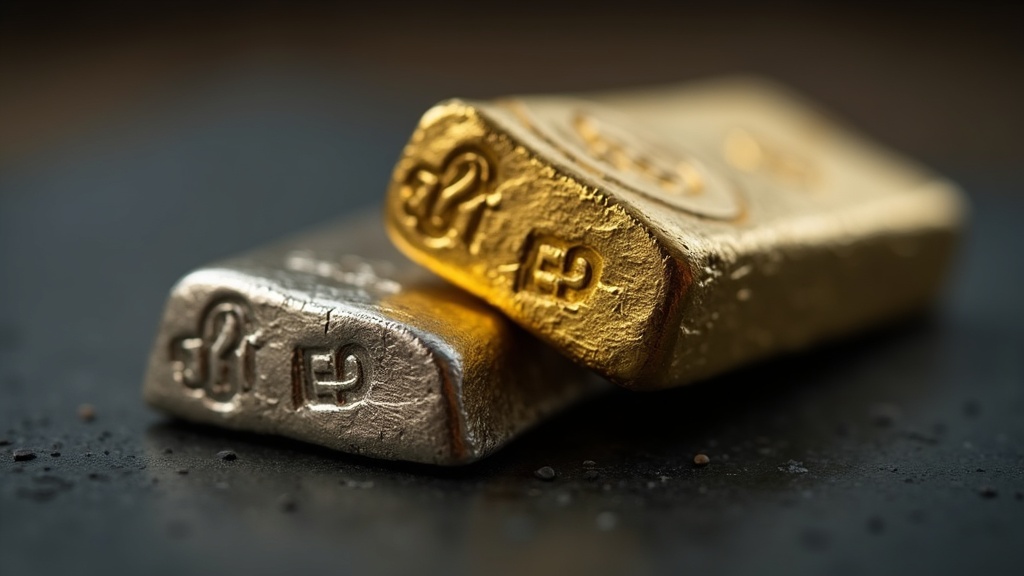
Hallmarks and assay marks are small stamped symbols, numbers, or letters applied to gold, silver, platinum, and palladium items to indicate purity, the maker or refiner, and sometimes the country or year of production. They exist so that a piece of metal can be identified and trusted without melting it down or testing it first. Reading them correctly is a useful skill, but they are a starting point for research, not a substitute for a proper appraisal.
What a hallmark actually is
A hallmark, in the strict historical sense, is an official mark applied by a government-recognized assay office after the metal has been tested and verified to meet a stated purity standard. The term comes from Goldsmiths’ Hall in London, where England’s assay office has operated for centuries. Countries with formal hallmarking systems — the United Kingdom, several European nations, and others — require certain items to be tested and stamped before they can legally be sold as gold, silver, or platinum of a given fineness.
An assay mark, more broadly, is any stamp confirming that metal has been tested for purity, whether by a government office, a private refiner, or a mint. In countries without mandatory hallmarking, such as the United States, manufacturers and refiners still stamp purity marks voluntarily, but there is no equivalent centralized testing authority standing behind every stamp the way there is in a formal hallmarking system.
The main elements you’ll see stamped on a piece
Hallmark and assay systems vary by country and era, but most stamps combine some version of the following elements:
- Fineness mark — a number or symbol indicating purity, such as .999, .925, or a karat figure like 18K. This is the most important mark for understanding what the metal is actually made of, and it connects directly to topics covered in our explainer on gold purity, karats, and fineness.
- Maker’s mark or sponsor’s mark — initials or a symbol identifying the manufacturer, refiner, or mint responsible for the piece.
- Assay office mark — a symbol specific to the office that tested and certified the item, common in countries with formal hallmarking traditions.
- Date letter or year mark — some systems, notably the UK’s, use a rotating letter or symbol to indicate the year of assay.
- National or standard mark — a symbol indicating the country of origin or that the item meets a particular national fineness standard.
On modern bullion coins and bars, these ideas show up in a simplified form: fineness, weight, and issuing mint or refiner are usually stamped directly on the piece, often alongside a serial number on bars. If you’re comparing formats, our overview of bullion coins versus bars touches on how marking conventions differ between the two.
Why these marks exist
Before reliable testing and stamping systems, buyers had no easy way to know whether a ring, coin, or ingot was genuinely the metal it claimed to be, or how pure it actually was. Hallmarking developed as a consumer-protection measure: an independent office tested the metal and applied a mark that a buyer, seller, or lender could recognize without needing to test it themselves. That basic purpose hasn’t changed. A hallmark or assay mark is essentially a claim — “this metal has been tested and meets this standard” — backed by whatever authority applied it.
The strength of that claim depends entirely on who did the testing. A mark from a long-established national assay office carries a different weight than an unfamiliar stamp on an item with no other supporting documentation. This is one reason unfamiliar or unusually elaborate hallmark-style stamps on cheap jewelry or bars from unclear sources deserve extra scrutiny.
Common fineness marks you’ll encounter
| Mark | Typical meaning |
|---|---|
| .999 or 999 | Fine silver or fine gold, roughly 99.9% pure |
| .925 or 925 | Sterling silver, 92.5% pure |
| 10K, 14K, 18K, 22K, 24K | Gold karat purity, from 41.7% up to essentially pure gold |
| .9995 or .9999 | Platinum or palladium of very high fineness, common on bullion bars and coins |
| 900 or .900 | Coin silver standard used historically in many circulating silver coins |
These fineness figures are technical facts about metal composition, not a statement of monetary worth. What a piece is actually worth in the market depends on weight, purity, condition, demand, and — for collectible items — factors well beyond the metal content, which is why our guide to what determines a coin’s melt value is worth reading alongside this one.
Hallmarks versus mint marks versus maker’s marks
It’s easy to confuse a hallmark with a coin’s mint mark, but they serve different purposes. A mint mark identifies which government mint struck a coin (helpful background is in our piece on reading the date and mint mark on a US coin, if that page exists on your site map — otherwise skip), while a hallmark or assay mark speaks specifically to metal purity and testing. A maker’s mark, meanwhile, identifies a private manufacturer or jeweler rather than an official testing body. On bullion products, you’ll often see the mint or refiner’s name or logo, the fineness, and the weight all stamped together, functioning together the way a full hallmark set would in a jewelry context.
Reading marks on bullion coins and bars
Modern investment-grade gold, silver, platinum, and palladium products are generally marked clearly and consistently by the issuing mint or refiner, which is part of why they’re widely accepted with minimal independent testing required. Coins from national mints typically state fineness and weight directly on the coin face, and specifications for well-known series are documented publicly — our pages on the platinum and palladium bullion coins and standard bullion coin sizes lay out what to expect for various formats. Bars from established refiners typically carry a stamped fineness, weight, refiner mark, and often a serial number that can be checked against the refiner’s records.
Older or foreign jewelry and small bars are a different story. Marks can be worn, deliberately faked, or belong to a defunct assay office whose standards are hard to verify today. If you’re trying to confirm whether an item is genuine gold at all before worrying about its exact fineness, our guide on telling real gold from fake covers basic non-destructive checks people use as a first step.
What marks can’t tell you
A hallmark or assay mark tells you about metal content and, in formal systems, that testing occurred at some point. It does not tell you the item’s current condition, whether it has been altered since testing, or what it’s worth today. It also doesn’t protect against counterfeiting on its own — fake stamps exist, which is exactly why reputable dealers and refiners are willing to have their products independently verified, and why a second opinion or independent appraisal is a reasonable step before any large purchase, rather than something to feel embarrassed about requesting. Legitimate sellers don’t pressure customers to skip that step, and high-pressure urgency around a “limited time” hallmark-heavy deal is worth treating with the same caution as any other sales pressure in this space.
For collectors building general knowledge in this area, it also helps to get comfortable with related vocabulary — our beginner’s guide to coin collecting terminology and the broader precious metals and bullion archive are good places to keep exploring once the basics of hallmarks and assay marks make sense.
Frequently asked questions about hallmarks and assay marks
What is the difference between a hallmark and an assay mark?
A hallmark is typically an official government-recognized stamp applied after formal testing, common in countries with legal hallmarking systems. An assay mark is a broader term for any stamp confirming metal purity, including those applied by private refiners or mints without government oversight.
Does the United States have an official hallmarking system?
No. The US does not have a mandatory government hallmarking system like the UK’s. Manufacturers and refiners stamp purity marks voluntarily, and consumer protection instead relies on federal marking and labeling laws for precious metal items sold commercially.
How can I tell if a hallmark is fake?
Worn, blurry, inconsistent, or unusually shallow stamps can be warning signs, as can marks that don’t match any known assay office or refiner. Non-destructive testing methods and comparison against documented reference marks help, but a suspected fake is best confirmed through independent testing.
Does a hallmark tell me what my item is worth?
No. A hallmark indicates metal purity and sometimes origin, but actual value depends on weight, condition, current market demand, and for collectible pieces, factors beyond metal content. A current appraisal or live spot price from a reputable source is the way to get an actual value estimate.
Do bullion bars and coins have hallmarks?
Not in the traditional hallmarking-office sense, but they carry equivalent information: fineness, weight, and the issuing mint or refiner’s mark, often with a serial number on bars. These marks are generally applied and documented directly by the producer rather than a separate assay office.
Gold Coins Today publishes general information about coin collecting and precious metals, not financial, investment, tax or legal advice. We are writers and editors, not certified numismatists, appraisers, financial advisors or dealers. Coin and bullion values change constantly and depend on condition, authenticity and the current market — get a current appraisal or spot price from a qualified, reputable source before buying or selling, and consult a licensed financial advisor before treating precious metals as part of an investment strategy.