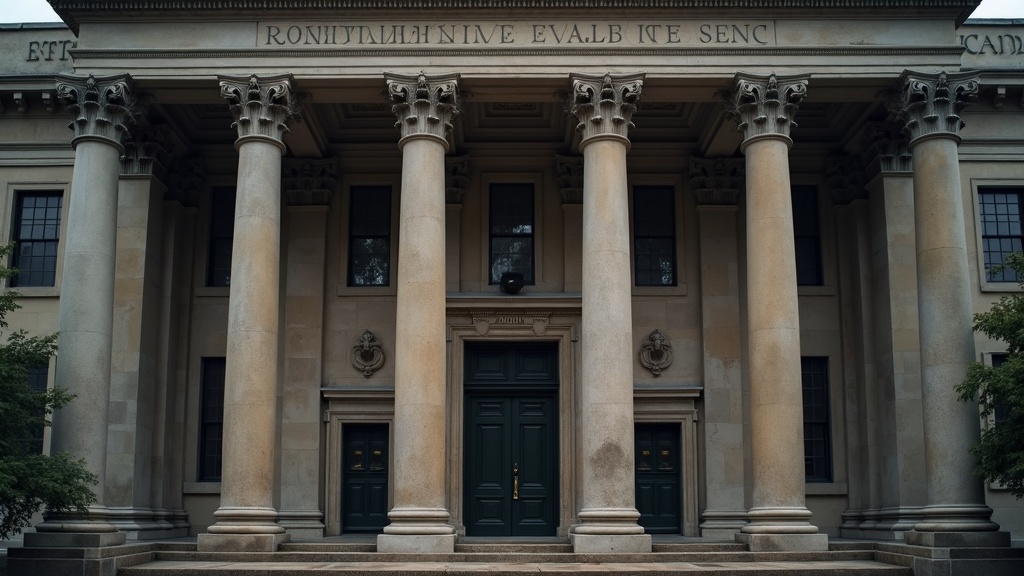
The United States Mint was established by the Coinage Act of 1792 to produce a national currency for the newly formed republic, replacing a confusing mix of foreign and state-issued money. Since then it has grown from a single facility in Philadelphia into a multi-branch federal agency that strikes circulating coins, commemorative issues, and bullion coins. Its story tracks the country’s economic history, from gold rushes and the gold standard to the modern era of collector and investment coinage.
Founding the Mint: The Coinage Act of 1792
Before the Mint existed, Americans conducted business with a patchwork of British, Spanish, and French coins alongside notes issued by individual states and banks. The Coinage Act of 1792 authorized a federal mint in Philadelphia, then the nation’s capital, and established the dollar as the country’s standard monetary unit. The act also defined the weight and purity standards for gold and silver coinage, setting a template that would guide US coin production for well over a century.
The Philadelphia facility began striking coins in the 1790s, starting with small denominations before producing silver and gold pieces. Early production was modest and often limited by shortages of metal, skilled labor, and reliable equipment. Coins from this founding period, including early large cents and half dimes, are a foundational chapter covered in more depth across the site’s US coins and history archive, which traces how each design era reflected the technology and politics of its time.
Branch Mints and the Push West
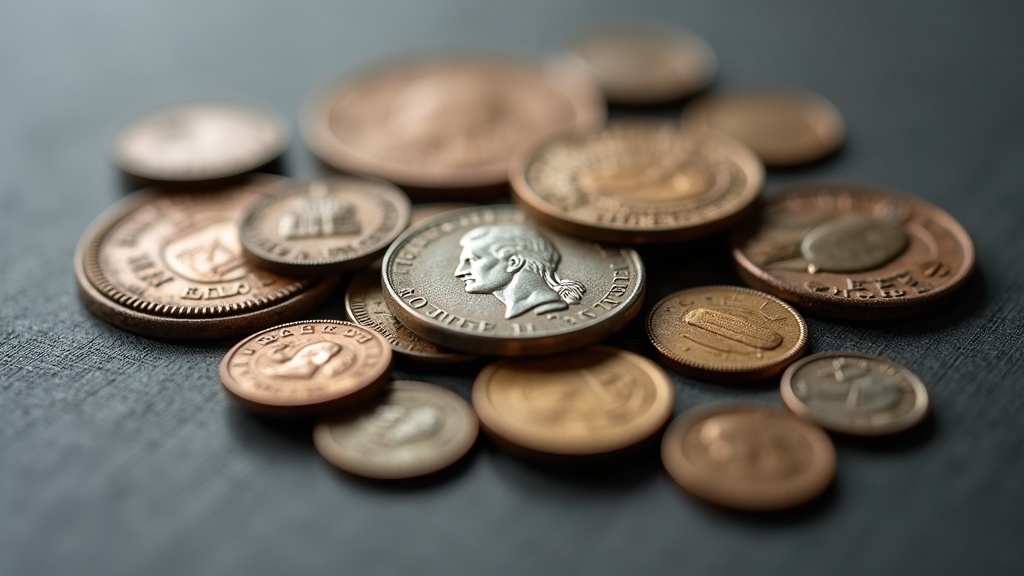
As the country expanded, so did the need for regional minting capacity. Discoveries of gold in the southeastern United States led to branch mints in Charlotte and Dahlonega, while New Orleans opened a branch to serve trade along the Mississippi River. Each branch mint stamped its coins with a small letter, or mint mark, indicating where the piece was struck, a practice still used today and explained further in the site’s coin basics and identification archive.
The California Gold Rush of the mid-1800s prompted the opening of a San Francisco branch, and later discoveries in Nevada and Colorado led to mints in Carson City and Denver. These branch mints were built primarily to convert locally mined gold and silver into official coinage close to where it was extracted, reducing the cost and risk of shipping raw bullion long distances. Some of these facilities, like Charlotte and Dahlonega, eventually closed, while Denver and San Francisco remain active in different capacities today.
The Gold Standard Era and Its End
For much of the nineteenth and early twentieth centuries, US currency was tied to fixed weights of gold and silver, and the Mint’s coinage standards were a direct expression of that system. Silver dollars, half dollars, quarters, and dimes were struck in a standard alloy that combined silver with a small amount of copper for durability, a composition sometimes referred to informally as constitutional silver. The site’s overview of what constitutional silver means and where it comes from goes into more detail on how that pre-1965 standard worked and why it changed.
The relationship between US currency and precious metal shifted substantially over the twentieth century. Gold coins were withdrawn from general domestic circulation in the 1930s, and by 1965 the Mint had moved away from using silver in everyday dimes, quarters, and half dollars, replacing it with copper-nickel clad coinage. These changes were driven by economic policy and metal costs rather than any single event, and they mark the transition from coinage as a direct store of metal value to coinage as government-issued currency backed by broader monetary policy.
Modern Minting: Circulating Coins, Commemoratives, and Bullion
Today the US Mint operates facilities in Philadelphia, Denver, San Francisco, and West Point, each with a distinct role. Philadelphia and Denver produce the bulk of circulating coinage used in daily commerce. San Francisco is closely associated with proof coins made for collectors, while West Point has become a major center for striking gold, silver, and platinum bullion coins alongside commemorative issues authorized by Congress.
The Mint’s bullion program, which includes widely recognized gold, silver, and platinum coins, uses a different production approach than ordinary circulating coinage, with higher-relief dies, tighter tolerances, and more careful handling. The site’s explanation of how bullion coins are minted versus collector coins walks through those production differences in more detail. Commemorative coins, meanwhile, are issued periodically to mark historical anniversaries or raise awareness for specific causes, and they occupy their own niche within the broader world explored in the site’s collecting culture archive.
Mint Marks and Reading a Coin’s Origin
One lasting legacy of the branch mint system is the small mint mark still found on most US coins, typically a single letter such as P, D, S, or W, indicating where a coin was struck. These marks matter to collectors because coins from certain mints in certain years were produced in smaller quantities, which can affect how sought-after a particular date and mint combination becomes. Understanding mint marks is a basic but essential skill for anyone getting into the hobby, and it connects directly to broader questions about why some coins carry a premium over their metal content, a topic covered in the explanation of what a numismatic premium is and why it exists.
It’s worth remembering that a coin’s history and mint of origin are only part of what determines its significance to a collector. Condition, authenticity, and current market interest all play a role, and anyone considering a purchase based on a coin’s mint history should still seek a current, independent appraisal rather than relying solely on backstory. Reputable dealers do not need high-pressure tactics to make a sale, and a second opinion is a reasonable step before any significant purchase.
Frequently asked questions about the history of the US Mint
When was the US Mint founded?
The US Mint was established by the Coinage Act of 1792, which also created the Philadelphia facility as its first location and set early standards for the weight and purity of US gold and silver coins.
Why did the US Mint open branch locations?
Branch mints were opened mainly to process gold and silver discovered in specific regions, such as the Southeast and later California and Nevada, so raw metal could be converted into coinage without long, costly shipments to Philadelphia.
What does a mint mark on a coin mean?
A mint mark is a small letter stamped on a coin identifying which US Mint facility struck it, such as P for Philadelphia, D for Denver, S for San Francisco, or W for West Point, a detail that matters for identification and collecting.
Does the US Mint still use gold and silver in everyday coins?
No, circulating US dimes, quarters, and half dollars moved to a copper-nickel clad composition in the 1960s; gold and silver are now mainly used in the Mint’s commemorative and bullion coin programs rather than everyday pocket change.
Are old US Mint coins worth more than their face value?
It depends on factors like rarity, condition, and collector demand rather than age alone, so the only reliable way to know a specific coin’s value is a current appraisal or spot-price check from a qualified, reputable source.
Related reading
How Coin Collecting Became Popular in America.
Gold Coins Today publishes general information about coin collecting and precious metals, not financial, investment, tax or legal advice. We are writers and editors, not certified numismatists, appraisers, financial advisors or dealers. Coin and bullion values change constantly and depend on condition, authenticity and the current market — get a current appraisal or spot price from a qualified, reputable source before buying or selling, and consult a licensed financial advisor before treating precious metals as part of an investment strategy.