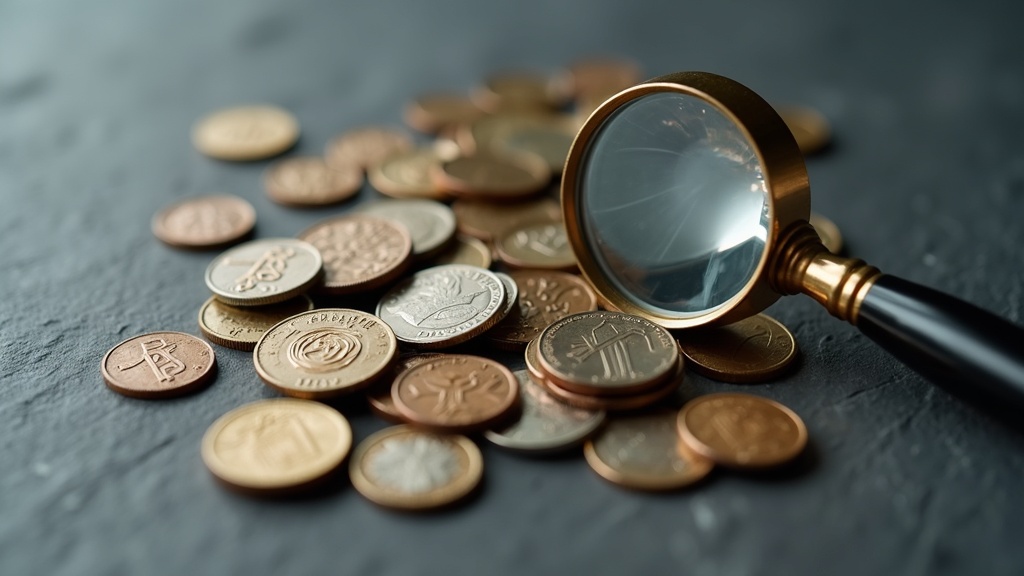
Starting a coin collection from scratch is mostly about curiosity and organization, not money. Begin by collecting what genuinely interests you — pocket change, a specific country, or a historical era — learn to identify and store pieces properly, and let your knowledge grow before you spend on anything expensive. There’s no required entry fee: many lifelong collectors began with coins found in circulation.
Decide what kind of collection you actually want
“Coin collecting” covers a huge range of approaches, and picking a direction early makes the hobby much less overwhelming. Some collectors focus on a single denomination across all years, others chase every coin from one country, and others collect by theme — animals on coins, coins from their birth year, or coins tied to a particular historical event. There’s no wrong answer here. The only real mistake is trying to collect everything at once, which tends to drain enthusiasm and budget without producing a coherent collection.
If you’re not sure where to start, browsing pocket change is a low-pressure way to begin. Wheat pennies, older nickels, and worn silver-era coins still occasionally turn up in circulation or in bank rolls, and identifying them teaches you the basics of dates, mint marks, and design types without any financial commitment.
Learn to read and identify a coin before you buy anything
Every coin carries information that determines what it is and, eventually, what it might be worth to a collector. The date and mint mark tell you where and when it was struck, which affects rarity within a series. Learning to locate and read these marks is one of the first practical skills worth building, and our guide on how to read the date and mint mark on a US coin walks through where to look on common US series.
It also helps to get comfortable with the vocabulary early. Terms like “obverse,” “reverse,” “planchet,” and “toning” show up constantly in auction listings, price guides, and dealer conversations, and the beginner’s guide to coin collecting terminology is a good reference to keep bookmarked while you’re learning.
Understanding grade and condition
Condition is one of the biggest factors in what a coin means to collectors, alongside rarity and demand. Coins are graded on a numeric scale from heavily worn to essentially flawless, and abbreviations like MS, AU, and XF appear on almost every listing you’ll encounter. Our explainer on what MS, AU, and XF actually mean breaks down the shorthand, and the deeper dive into the Sheldon coin grading scale explains where the 1-to-70 numbers actually came from. If you want the bigger picture first, start with what coin grading actually means before getting into scale details.
New collectors sometimes assume a shiny coin is automatically valuable and a dull one is automatically worn. That’s not reliable — some coins are dull because they were cleaned, which typically reduces desirability to collectors rather than improving it. Learning how to tell if a coin has been cleaned early will save you from misjudging pieces you find or are offered.
Basic supplies worth having from day one
You don’t need much to start, but a few inexpensive tools make a real difference in both enjoyment and coin safety.
- A loupe or magnifier — even 5x–10x magnification reveals mint marks, mint errors, and surface details invisible to the naked eye.
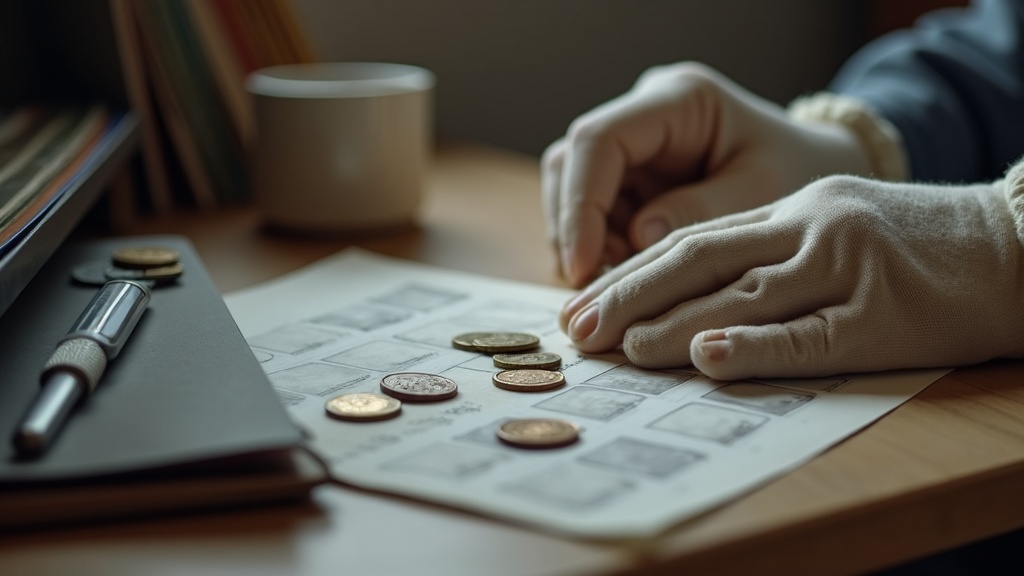
- Cotton or nitrile gloves — skin oils can etch metal over time, so handling coins by the edges or with gloves protects surfaces.
- Non-PVC holders or albums — flips, folders, or 2×2 holders keep coins from rubbing against each other or against pocket lint. Avoid soft plastic holders that contain PVC, which can react with metal surfaces over years of storage.
- A notebook or spreadsheet — tracking what you have, where it came from, and its condition becomes valuable as a collection grows.
Resist the urge to clean coins to make them “look better.” Cleaning almost always does more harm than good from a collector’s standpoint, which is exactly why recognizing cleaned coins is its own skill worth learning before you buy.
Where new collectors actually find coins
You have more options than a coin shop counter. Circulation searching (checking pocket change or bank-ordered rolls) costs nothing but time. Estate sales, coin shows, and local coin clubs let you see and handle coins in person, which is a genuinely useful way to calibrate your eye for condition. Online marketplaces and dealer websites offer far more selection but require more caution, since photos can be misleading and return policies vary.
Wherever you buy, a legitimate, established seller will explain their pricing and return policy without pressure, and will not rush you toward a purchase using urgency or fear-based language about the economy or currency. If a seller is pushing hard, using scare tactics, or discouraging you from getting a second opinion, that’s a signal to slow down — a brief pause to seek an independent appraisal costs nothing and is standard practice before any larger purchase.
Understanding rarity, errors, and varieties
As you go deeper, you’ll run into terms like “key date,” “error coin,” and “variety,” which all describe different reasons a coin might stand out within its series. A key date is simply a date or mint mark within a series that was struck in much lower numbers, making it harder to find in any condition — our piece on what a key date coin is and why it matters explains how collectors identify these. Error coins result from something going wrong during striking, such as doubled dies, and are covered in coin error types explained. Varieties are more subtle — small, intentional or repeated differences in a die — and are explained in what are coin varieties and why do they matter. None of these require you to memorize anything up front; they’re worth understanding once you’ve settled on a series you enjoy.
Should you get coins professionally graded?
Third-party grading services encapsulate a coin in a tamper-evident holder along with an assigned grade, which can make a coin easier to buy and sell with confidence. That said, grading has costs and isn’t necessary for every coin — a common date coin in modest condition rarely benefits from the expense. Our overview of what grading services actually do explains the process, and how population reports work covers how these services track how many examples of a given coin and grade have been certified. It’s also useful to understand the difference between a proof coin and a business strike, since proofs are made differently and are often graded and marketed differently as a result.
None of this needs to be decided on day one. Most new collectors are better served by spending their first months simply looking, identifying, and organizing before considering grading or larger purchases. For a broader library of identification topics as you go, the Coin Basics & Identification section is a good place to keep exploring.
A realistic first-month plan
- Pick one focus area — a country, era, denomination, or theme.
- Gather a loupe, gloves, and simple non-PVC holders.
- Search pocket change or a few bank rolls to find your first pieces.
- Practice identifying date, mint mark, and general condition on each coin.
- Start a simple log of what you have and where it came from.
- Visit a local coin club, show, or reputable dealer to see coins in person before buying anything significant.
Frequently asked questions about starting a coin collection
How much money do I need to start collecting coins?
You can start with no money at all by searching pocket change or bank-ordered coin rolls. Beyond that, budgets vary enormously depending on what you collect; many beginners spend very little while they’re still learning to identify and grade coins.
What coins should a beginner collect first?
There’s no required starting point — many beginners start with coins already in their pocket change or a jar of inherited coins, since these are free to examine and teach the basics of dates, mint marks, and wear before any purchase decisions.
Do I need to get my coins graded right away?
No. Grading has a cost and makes the most sense for coins where authentication or a precise condition assessment matters for buying or selling. Many beginners spend months or years collecting before considering third-party grading.
How can I tell if an old coin is valuable?
Value depends on a combination of rarity, condition, metal content, and current collector demand, not age alone. Rather than guessing, compare your coin’s date and mint mark against reference guides and consider a current appraisal from a reputable, independent source.
Is it safe to clean old coins before collecting them?
Generally no — cleaning typically leaves marks or alters surfaces in ways that reduce a coin’s appeal to collectors, even if it looks brighter afterward. Most experienced collectors leave coins in the condition they were found and instead learn to recognize cleaning rather than perform it.
Gold Coins Today publishes general information about coin collecting and precious metals, not financial, investment, tax or legal advice. We are writers and editors, not certified numismatists, appraisers, financial advisors or dealers. Coin and bullion values change constantly and depend on condition, authenticity and the current market — get a current appraisal or spot price from a qualified, reputable source before buying or selling, and consult a licensed financial advisor before treating precious metals as part of an investment strategy.