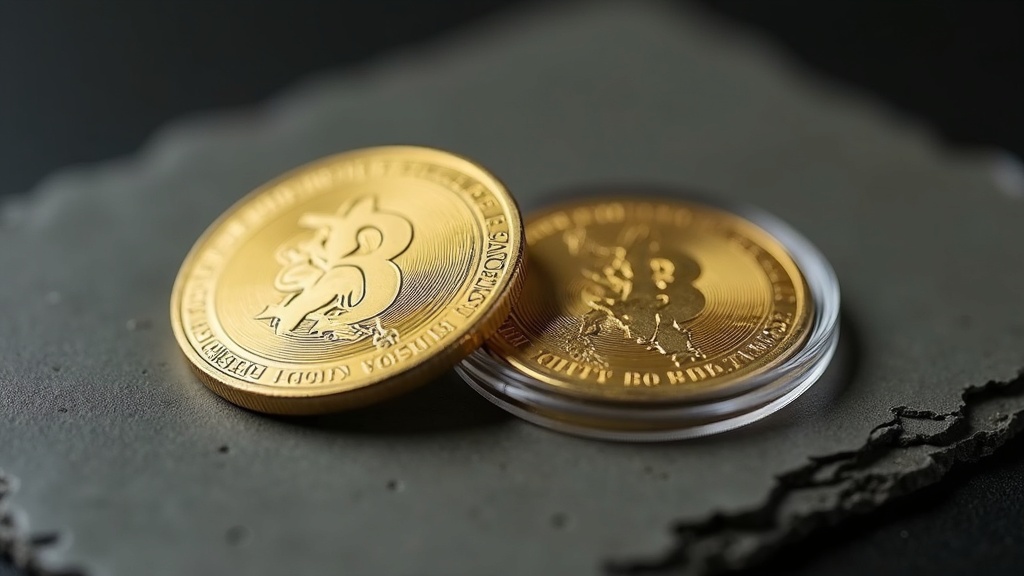
Bullion coins generally convert to cash faster and more predictably than numismatic coins because their value is tied closely to metal content and current spot price, which almost any dealer can quote and verify quickly. Numismatic coins depend on condition, rarity, and collector demand, so finding the right buyer who recognizes that value can take longer. Understanding this difference helps explain why the same ounce of gold can behave very differently in the market depending on how it’s packaged and sold.
What “liquidity” means for coins
In everyday terms, liquidity describes how quickly and easily something can be turned into cash without a big loss in value. A liquid asset has many willing buyers, transparent pricing, and low friction in the transaction. An illiquid asset might still be valuable, but finding a buyer who agrees on that value, and agrees on it quickly, is harder.
For coins, liquidity isn’t just about whether someone will buy them. It’s about how fast a transaction can happen, how much agreement there is on price between different buyers, and how much specialized knowledge is needed to reach that agreement. This is where bullion and numismatic coins tend to separate.

Why bullion coins tend to be more liquid
Bullion coins, like widely produced gold or silver pieces sold primarily for their metal content, are valued mainly against a live, publicly quoted spot price. Because that reference point exists and updates constantly, a buyer and seller can agree on a starting number almost instantly, then negotiate a premium above or below it. This is one reason bullion coins in common sizes are treated almost like a commodity in the trade. Readers who want the background on how these coins are struck and sized can look at pieces on common bullion coin sizes and how mints approach bullion versus collector coin production.
Several factors support that liquidity:
- Standardization: Widely recognized coins in familiar weights are easy for a dealer to authenticate and price at a glance.
- High mintage: Because so many exist, there’s rarely a shortage of buyers or sellers at any given time.
- Transparent pricing: Spot price benchmarks mean less back-and-forth negotiation over “what it’s worth.”
- Broad dealer network: Many dealers, large and small, are comfortable buying and selling common bullion products.
This is part of why series such as the American Gold Eagle, the Canadian Maple Leaf, or the Krugerrand are so often discussed as accessible entry points; you can read more about their backgrounds in our pieces on the American Gold Eagle, the Canadian Maple Leaf, and the Krugerrand.
Why numismatic coins can be slower to sell
Numismatic coins are valued for more than their metal content: rarity, historical significance, condition, and collector demand all factor in. That’s part of what creates a numismatic premium above melt value, but it also means pricing is less standardized. Two dealers might reasonably disagree on what a specific coin is worth on a given day, because the answer depends on subjective and technical factors rather than a single published number.
Some reasons numismatic coins can take longer to convert to cash:
- Specialized buyer pools: A rare early American coin or a key date in a well-known series appeals to a narrower set of collectors than a common bullion coin does.
- Grading matters: Condition drives value heavily, and confirming a coin’s grade may require sending it to a professional grading service or seeking an independent opinion, which takes time. Our overview of what coin grading actually means covers this in more depth.
- Authentication concerns: Because numismatic value depends on originality and condition, buyers are often more cautious, and rightly want documentation. See our discussion of what certificates of authenticity really prove and what documentation should come with a graded coin.
- Market timing: Demand for a particular series or era can rise and fall with collector interest, which is less predictable than a metals market driven by broader economic factors.
A side-by-side comparison
| Factor | Bullion coins | Numismatic coins |
|---|---|---|
| Primary value driver | Metal content and current spot price | Condition, rarity, and collector demand |
| Pricing transparency | High — tied to a public benchmark | Lower — varies by buyer and expertise |
| Buyer pool | Broad, includes general bullion dealers | Narrower, often specialist collectors |
| Typical time to sell | Often fast, sometimes same-day | Can be longer, especially for rarer pieces |
| Authentication needs | Straightforward for common issues | May require grading or expert review |
Where the line gets blurry
Not every coin fits neatly into one category. A common-date coin from a well-known series in average, well-worn condition may trade almost like bullion if its numismatic premium is small relative to its metal value — this is part of the reasoning behind understanding what determines a coin’s melt value in the first place. On the other hand, a bullion coin with an unusual mint error, a low mintage year, or an exceptional grade can develop real numismatic interest on top of its metal value. Coins made from 90% silver “junk silver,” for instance, sit close to the bullion end of the spectrum, largely valued for silver content rather than rarity, as explained in our piece on what junk silver means.
Fineness and purity also shape how a coin is perceived in the market. Coins struck in fine gold versus alloyed gold, for example, can behave differently when it comes to how easily a buyer can estimate value at a glance; our explainer on fine gold versus alloyed gold covers that distinction, as does our overview of gold purity, karats, and fineness.
What this means when selling
If liquidity matters to you — meaning you want to know a coin can be converted to cash relatively quickly and predictably — bullion coins in common, recognizable formats tend to offer that more consistently than rarer numismatic pieces. That doesn’t make numismatic coins a poor choice; it simply means the sales process may look different, often involving more research, possibly professional grading, and patience to find the right buyer.
Regardless of what you’re selling, the same general practices apply. It helps to understand how dealer buyback policies work before you walk in, and to know how to evaluate a dealer’s reputation beforehand. If you’re preparing a larger collection, especially one that includes inherited pieces, our guide on how to prepare a coin collection for sale or appraisal walks through organizing and documenting coins before you approach a buyer.
It’s also worth remembering that legitimate dealers don’t rely on high-pressure tactics or urgency (“act now before prices collapse”) to get you to sell or buy. If you feel rushed, especially around a large transaction, it’s entirely reasonable to step back and get a second opinion or an independent appraisal before proceeding.
Frequently asked questions about liquidity differences between bullion and numismatic coins
Are bullion coins easier to sell than rare coins?
Generally yes. Bullion coins are priced against a public spot price and appeal to a broad pool of buyers, so transactions tend to move faster. Rare numismatic coins depend on condition and collector demand, which narrows the buyer pool and can slow the process considerably.
Why do numismatic coins take longer to sell than bullion?
Numismatic value depends on subjective factors like grade, originality, and historical significance rather than a single published price. Confirming those factors, sometimes through professional grading, and locating a buyer who specializes in that coin’s series takes more time than a straightforward bullion sale.
Does grading affect how fast a coin sells?
Yes. A coin in a certified holder with documented grading history is generally easier to sell quickly because the buyer has less uncertainty to resolve. An ungraded or undocumented coin may need review before a buyer feels confident, which can add time to the process.
Is it better to buy bullion or numismatic coins for liquidity?
That depends on your goals, and it’s a decision worth thinking through with a licensed financial advisor rather than a general rule. Bullion tends to be more liquid; numismatic coins can carry different appeal related to history and rarity, but with less predictable resale timing.
Can a common bullion coin lose its liquidity over time?
It’s uncommon, but market conditions, coin condition, and shifts in dealer demand can all affect how quickly any coin sells at a given moment. Checking current spot pricing and getting an independent appraisal before a sale helps you understand where a coin stands right now.
Gold Coins Today publishes general information about coin collecting and precious metals, not financial, investment, tax or legal advice. We are writers and editors, not certified numismatists, appraisers, financial advisors or dealers. Coin and bullion values change constantly and depend on condition, authenticity and the current market — get a current appraisal or spot price from a qualified, reputable source before buying or selling, and consult a licensed financial advisor before treating precious metals as part of an investment strategy.