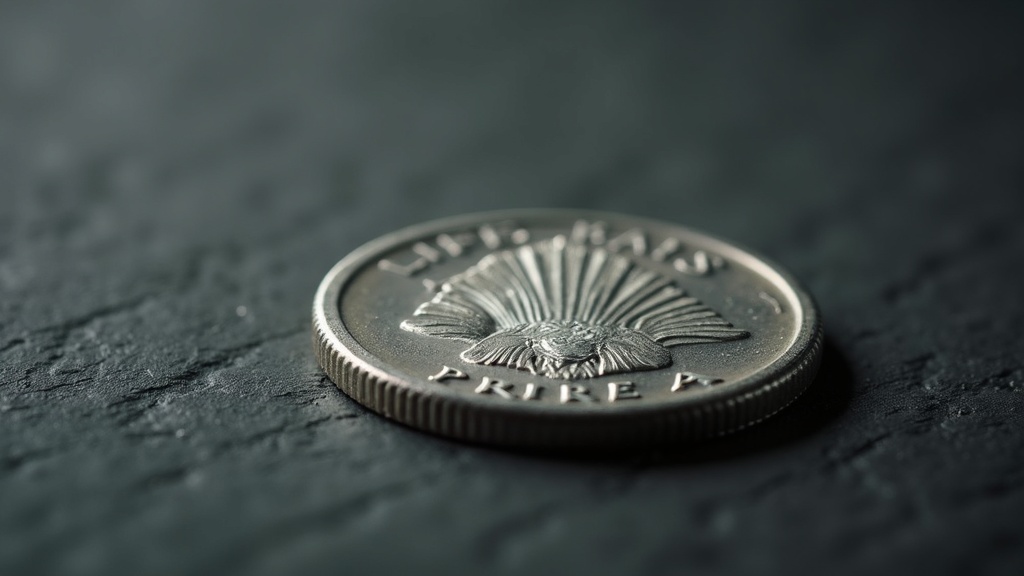
A Mercury dime is a United States ten-cent coin struck from 1916 to 1945, officially depicting Liberty wearing a winged cap rather than the Roman god Mercury. It’s made of 90% silver and 10% copper, and its value to collectors depends on the specific date and mint mark, its condition, and whether the design details on the reverse bands are fully struck. This guide walks through the design, key dates, and how to read a Mercury dime without making any claims about what a particular coin is worth today.
Why It’s Called a “Mercury” Dime
The coin’s official name is the Winged Liberty Head dime, designed by sculptor Adolph Weinman. The obverse shows Liberty facing left wearing a winged Phrygian cap, symbolizing freedom of thought. Because the winged cap resembled depictions of the Roman messenger god Mercury, the public nickname stuck and has been used ever since, even though it has nothing to do with the actual mythological figure. The reverse features a fasces, a bundle of rods bound around an axe, paired with an olive branch, representing unity and readiness for both peace and defense.
Mercury dimes replaced the Barber dime design, which had been in circulation since the 1890s. Readers interested in comparing turn-of-the-century coin design can find more background in the site’s overview of the Barber coinage series, which shares a similar era and denomination history with the Mercury dime.
Basic Specifications
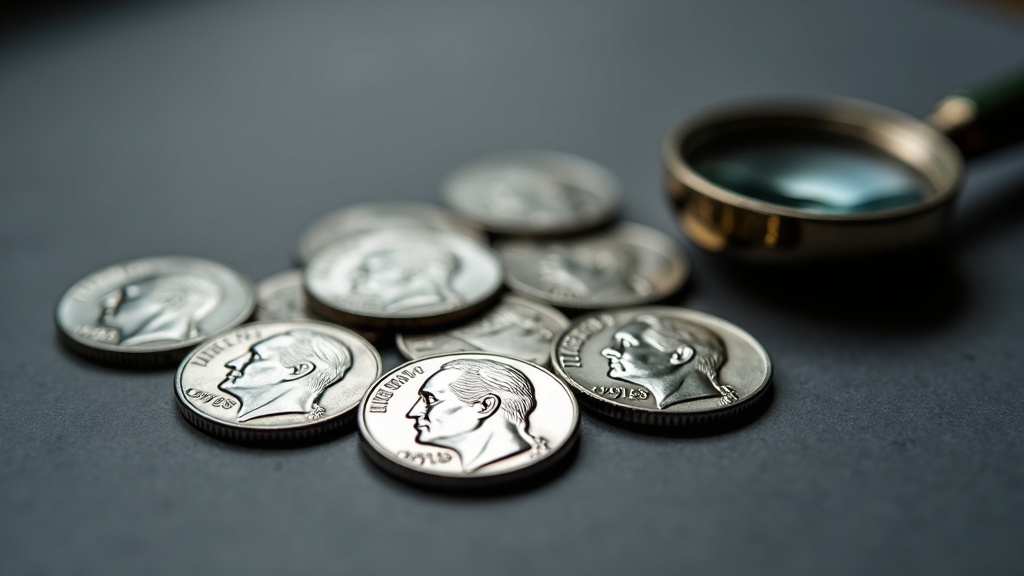
Every Mercury dime shares the same core specifications, which is useful to know when trying to identify or authenticate one.
| Feature | Detail |
|---|---|
| Composition | 90% silver, 10% copper |
| Diameter | Approximately 17.9 mm |
| Edge | Reeded |
| Years minted | 1916–1945 |
| Mint facilities | Philadelphia (no mint mark), Denver (D), San Francisco (S) |
Because these are pre-1965 US coins, the silver content is a fixed technical fact rather than a value claim — what any given coin brings depends on condition, rarity of the date, and current market conditions for silver, which are best checked through a live spot price from a reputable source rather than relying on a fixed number in an article.
Reading the Date and Mint Mark
The date appears on the obverse below Liberty’s neck. The mint mark, when present, sits on the reverse near the bottom edge, close to the fasces. A coin with no mint mark was struck in Philadelphia; a “D” indicates Denver, and an “S” indicates San Francisco. If the date or mint mark on your coin is worn or hard to make out, the site’s general walkthrough on how to read the date and mint mark on a US coin covers techniques that apply across most classic US series, not just this one.
Key Dates and Varieties Collectors Watch For
Certain combinations of date and mint mark are scarcer than others because of lower original mintages or because well-struck examples are harder to find. The 1916-D is widely recognized among Mercury dime collectors as a scarce early issue. Some years also include notable doubled-die varieties, where design elements appear doubled due to an error in the coin die itself. If you want to understand how these classifications work in general, the site’s explainers on what makes a coin a “key date” and common coin error types like doubled dies break down the mechanics without assigning dollar figures, since accurate current pricing for any specific variety should come from a current appraisal rather than a general article.
The “Full Bands” Detail
One detail specific to Mercury dimes is the “Full Bands” (sometimes “Full Split Bands”) designation used by third-party grading services. This refers to whether the horizontal bands wrapping the fasces on the reverse are fully struck and separated, rather than blended together from a weak strike. A coin can have relatively light wear overall but still lack Full Bands if the strike was soft to begin with, which is a separate consideration from the coin’s numeric grade. If you’re new to grading terminology in general, the site’s guides on what coin grading actually means and the Sheldon grading scale explain how professional graders evaluate strike, wear, and eye appeal together.
Condition, Cleaning, and Why It Matters
As with most classic silver coinage, condition has an outsized effect on how a Mercury dime is evaluated. Coins that saw heavy circulation typically show smoothing on Liberty’s cheek and the high points of the wings and fasces bands. Collectors and grading services also pay close attention to whether a coin has been cleaned, since cleaning can strip original surfaces and leave telltale hairline scratches, even if it makes the coin look shinier at first glance. The site’s guide on how to tell if a coin has been cleaned walks through some of the visual cues collectors look for.
If you’re deciding between an uncirculated example, a lightly circulated one, or a proof issue struck for collectors rather than general circulation, it helps to understand the difference between these categories. The explainer on proof coins versus business strikes and the overview of MS, AU, and XF grade abbreviations are useful starting points before you start comparing specific coins.
Where Mercury Dimes Fit in a Collection
Many collectors build a Mercury dime set by date and mint mark, similar to how others assemble sets of Lincoln wheat pennies or work through the mint marks on a Buffalo nickel series. Because Mercury dimes were minted across three decades that included the Great Depression and World War II, mintage numbers vary significantly by year, which is part of why some dates are easier to find in higher grades than others.
If you’re just getting organized, the site’s comparison of coin albums, folders, and individual holders can help you think through how to store a growing set without damaging the coins, and the broader guide on starting a coin collection from scratch covers the basics of building any collecting focus, Mercury dimes included. For general background on US coin history beyond this one series, the site’s US coins and history archive is a reasonable place to browse further.
Buying Mercury Dimes: A Word of Caution
Mercury dimes are commonly sold individually, in date-and-mint-mark sets, or as part of bulk “junk silver” lots valued mainly for silver content rather than collectible rarity. Because these coins are often marketed alongside broader precious-metals pitches, it’s worth knowing that legitimate dealers do not typically use high-pressure sales tactics, artificial urgency, or fear-based messaging about currency collapse to move product. If you’re ever presented with that kind of pressure, or asked to make a decision quickly, it’s reasonable to step back and get a second opinion or an independent appraisal before any significant purchase. This applies whether you’re buying a single key-date coin or a larger quantity meant primarily for its silver content.
Frequently asked questions about Mercury dimes
What years of Mercury dimes are rare?
Rarity varies by mint mark as well as year; the 1916-D is generally considered the scarcest regular-issue date, and certain other years are harder to find with a fully struck reverse. A current reference from a reputable grading service can clarify relative scarcity for any specific date you’re examining.
Are all Mercury dimes silver?
Yes, every Mercury dime struck from 1916 through 1945 is composed of 90% silver and 10% copper, since the US did not switch dimes to a copper-nickel clad composition until 1965.
How can I tell if my Mercury dime has been cleaned?
Cleaned coins often show unnaturally bright or shiny surfaces compared to their wear level, along with fine hairline scratches visible under magnification. A loupe and steady, angled light can help reveal these signs before you rely on a professional opinion.
What does “Full Bands” mean on a Mercury dime?
It refers to the horizontal bands on the reverse fasces being fully separated and sharply struck, rather than blended together from a weak die strike. It’s a strike-quality detail assessed separately from the coin’s overall wear grade.
Why did Mercury dimes stop being made in 1945?
The Winged Liberty Head design was replaced starting in 1946 by the Roosevelt dime, honoring President Franklin D. Roosevelt shortly after his death, partly due to his association with the March of Dimes campaign.
Gold Coins Today publishes general information about coin collecting and precious metals, not financial, investment, tax or legal advice. We are writers and editors, not certified numismatists, appraisers, financial advisors or dealers. Coin and bullion values change constantly and depend on condition, authenticity and the current market — get a current appraisal or spot price from a qualified, reputable source before buying or selling, and consult a licensed financial advisor before treating precious metals as part of an investment strategy.